Address
304 North Cardinal
St. Dorchester Center, MA 02124
Work Hours
Monday to Friday: 7AM - 7PM
Weekend: 10AM - 5PM
Address
304 North Cardinal
St. Dorchester Center, MA 02124
Work Hours
Monday to Friday: 7AM - 7PM
Weekend: 10AM - 5PM
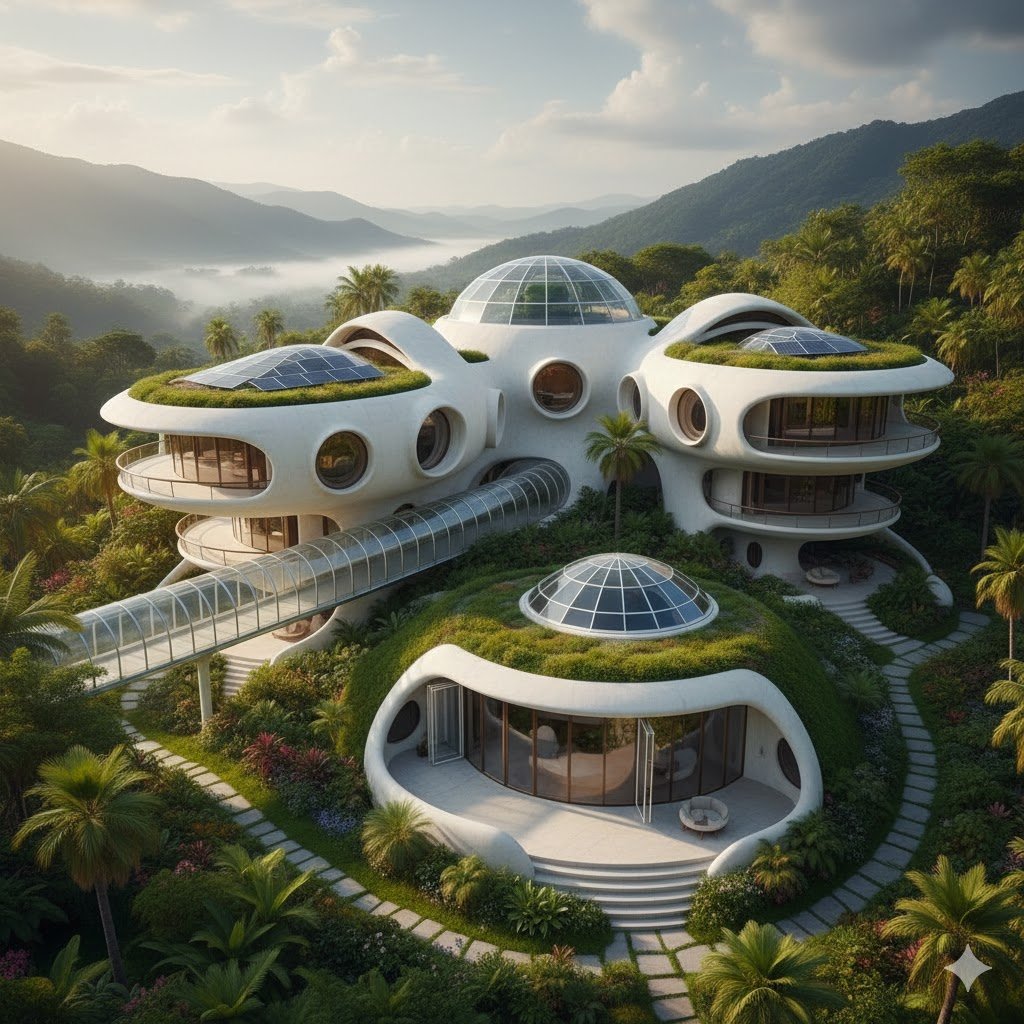
Whether you are growing your family or craving a more functional sanctuary, an extension is the ultimate way to evolve your home. By embracing natural geometry—like the curves of a seashell or the efficiency of a burrow—you can create a space that feels brighter and more connected to the earth.
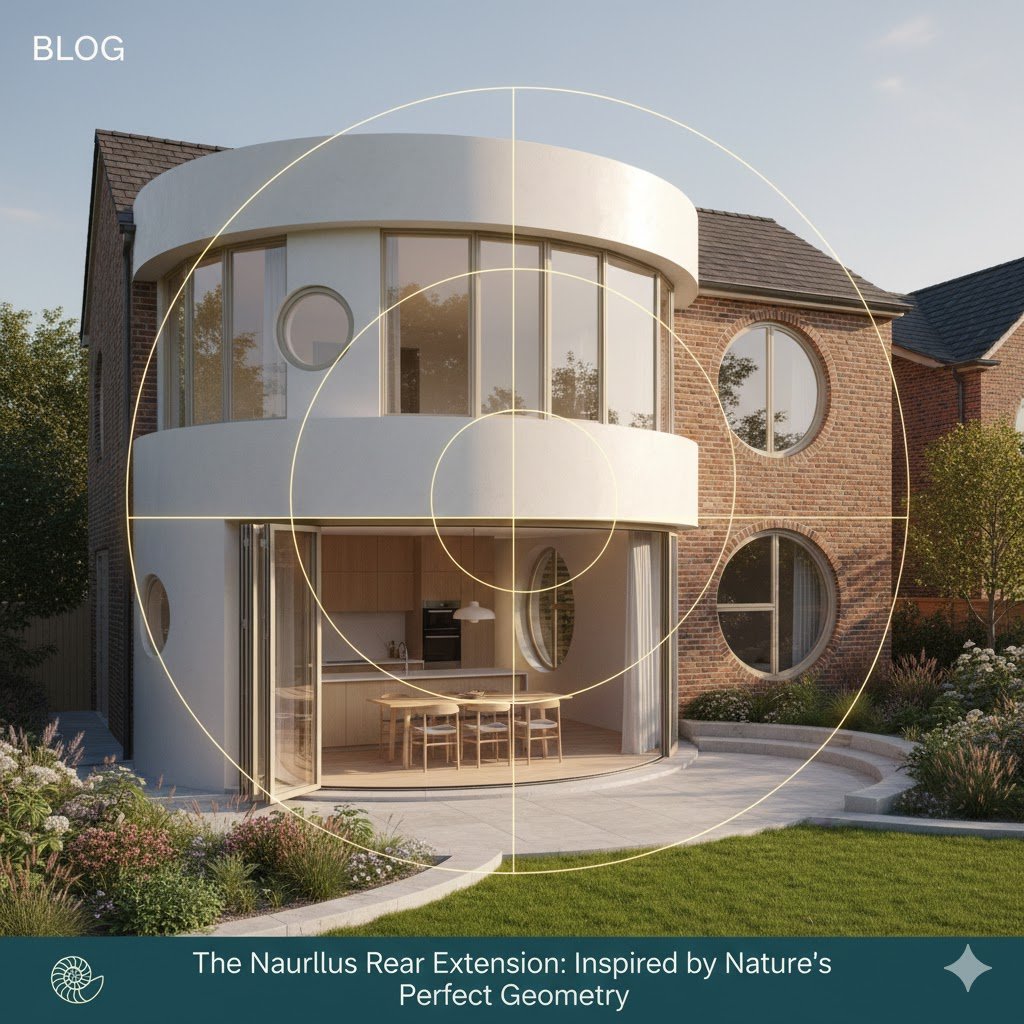
Adding a rear extension is the most popular way to increase square footage. Instead of a standard rectangular add-on, imagine a spiral-inspired layout that follows the Golden Ratio. This creates a natural flow from the kitchen to the garden, making the transition feel seamless rather than abrupt.
Visual Inspiration: Nature’s math provides the perfect blueprint for balance and tranquility.
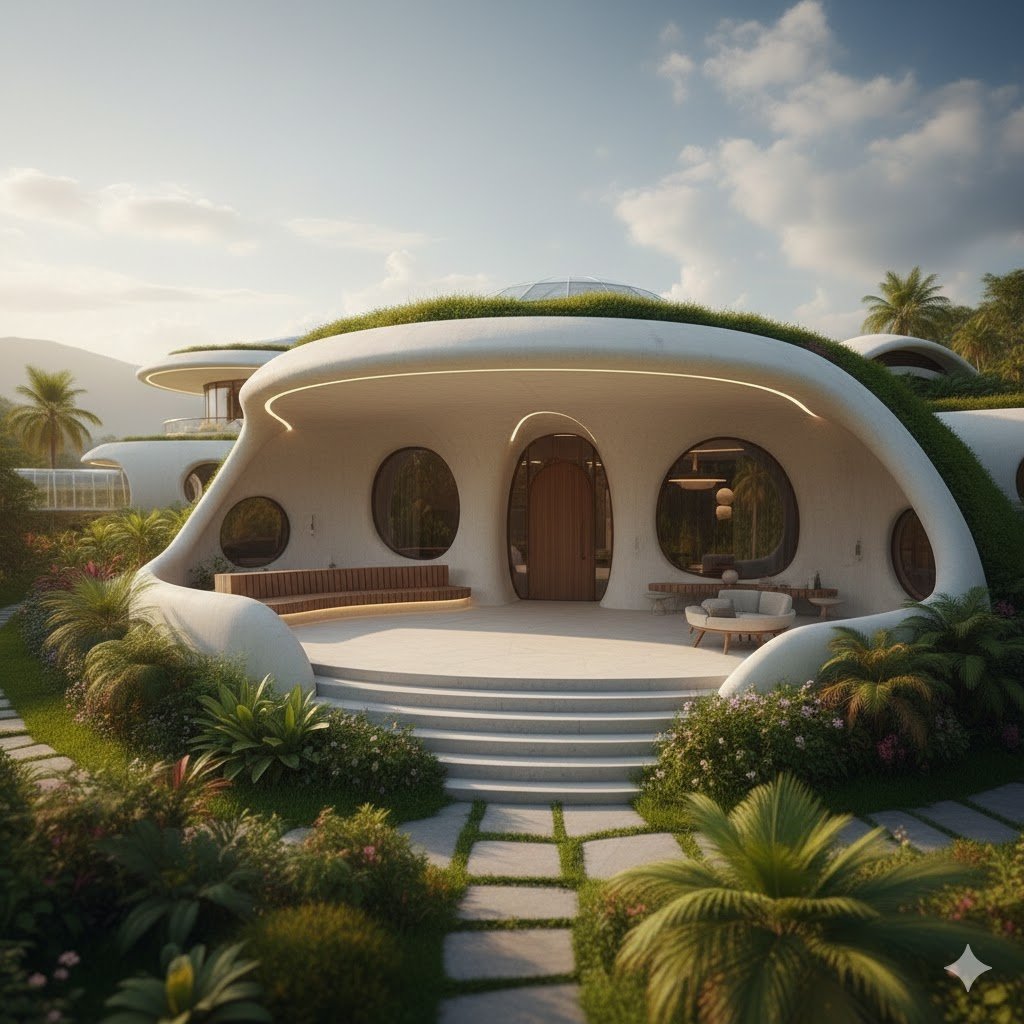
If your entryway feels narrow, a front porch extension can add practical storage while boosting curb appeal. Using organic, flowing concrete forms instead of rigid pillars can turn a simple mudroom into a welcoming piece of sculpture.
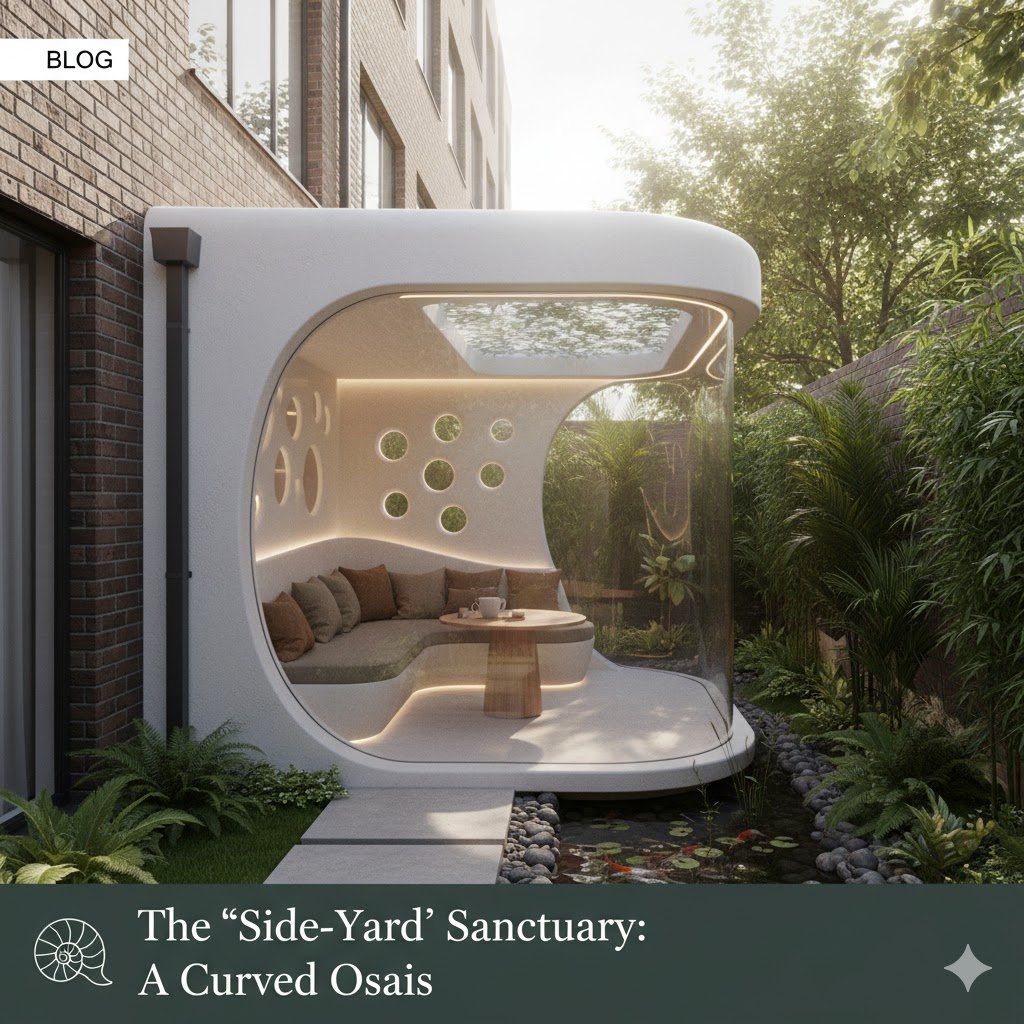
Side extensions often deal with narrow, under-utilized spaces. Transform these into “nooks” with curved walls that mimic the chambers of a shell, perfect for a cozy dining area or a sunlit reading corner.
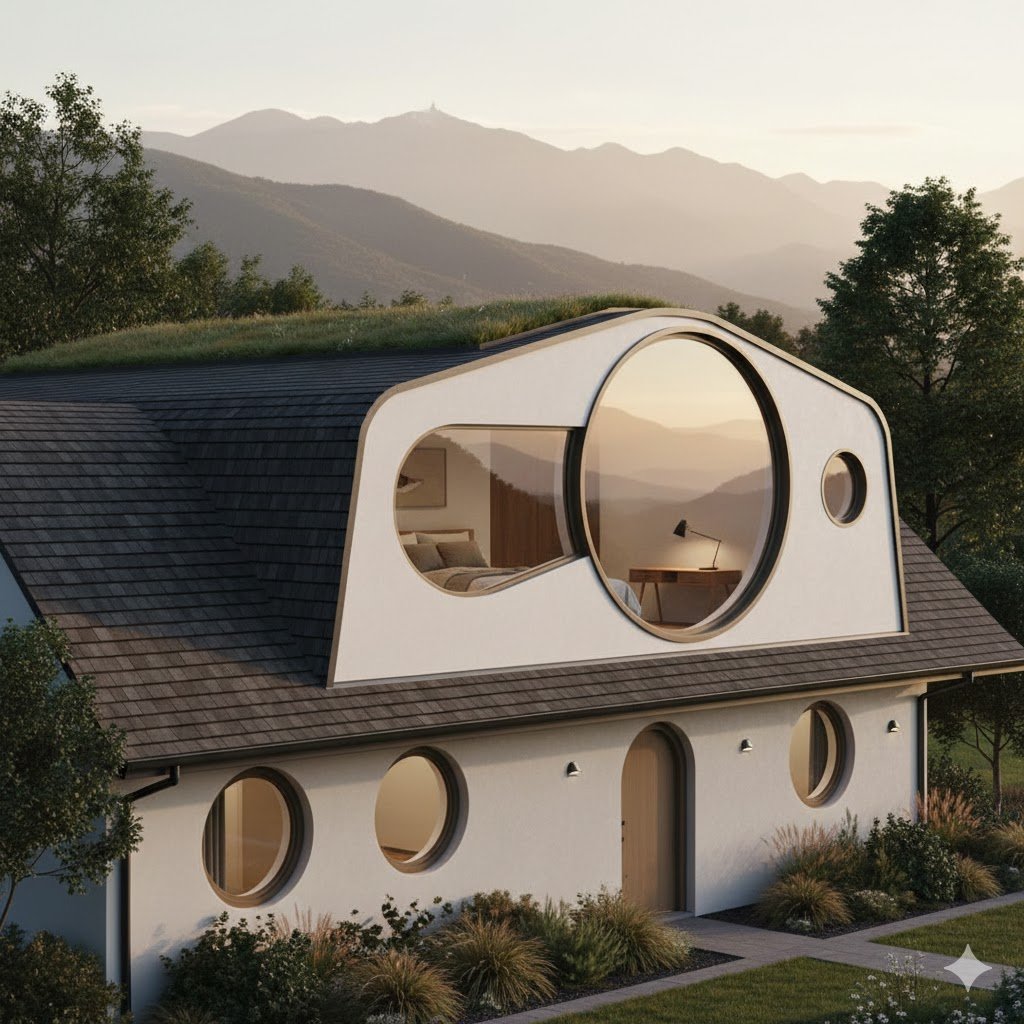
A loft dormer maximizes upstairs space for offices or bedrooms. To elevate this, use circular or “oculus” windows. These port-like openings provide unique views and a sense of being in a high-altitude retreat.
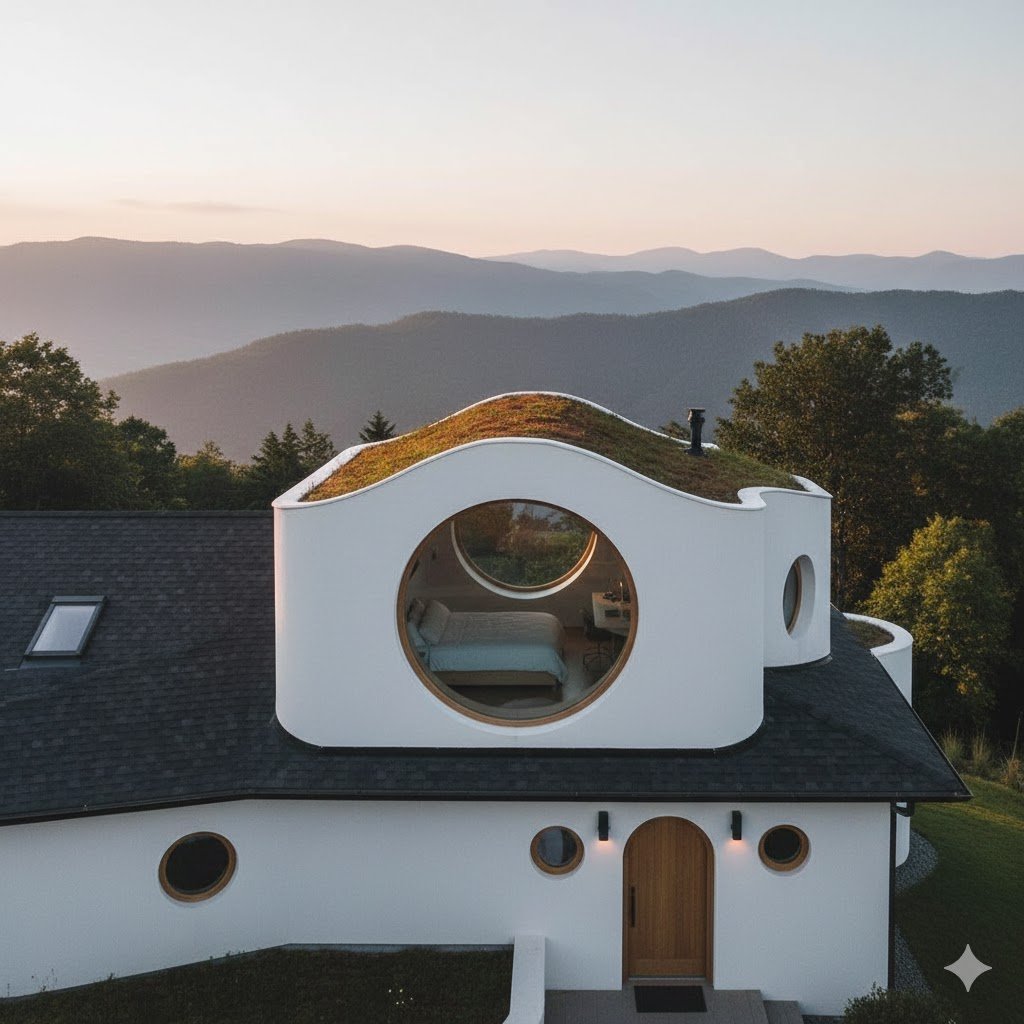
If you have high ceilings, a mezzanine level offers a creative vertical solution. Think of it as a “nest” overlooking the main living area—a semi-private space for work or relaxation that doesn’t expand the building’s footprint.
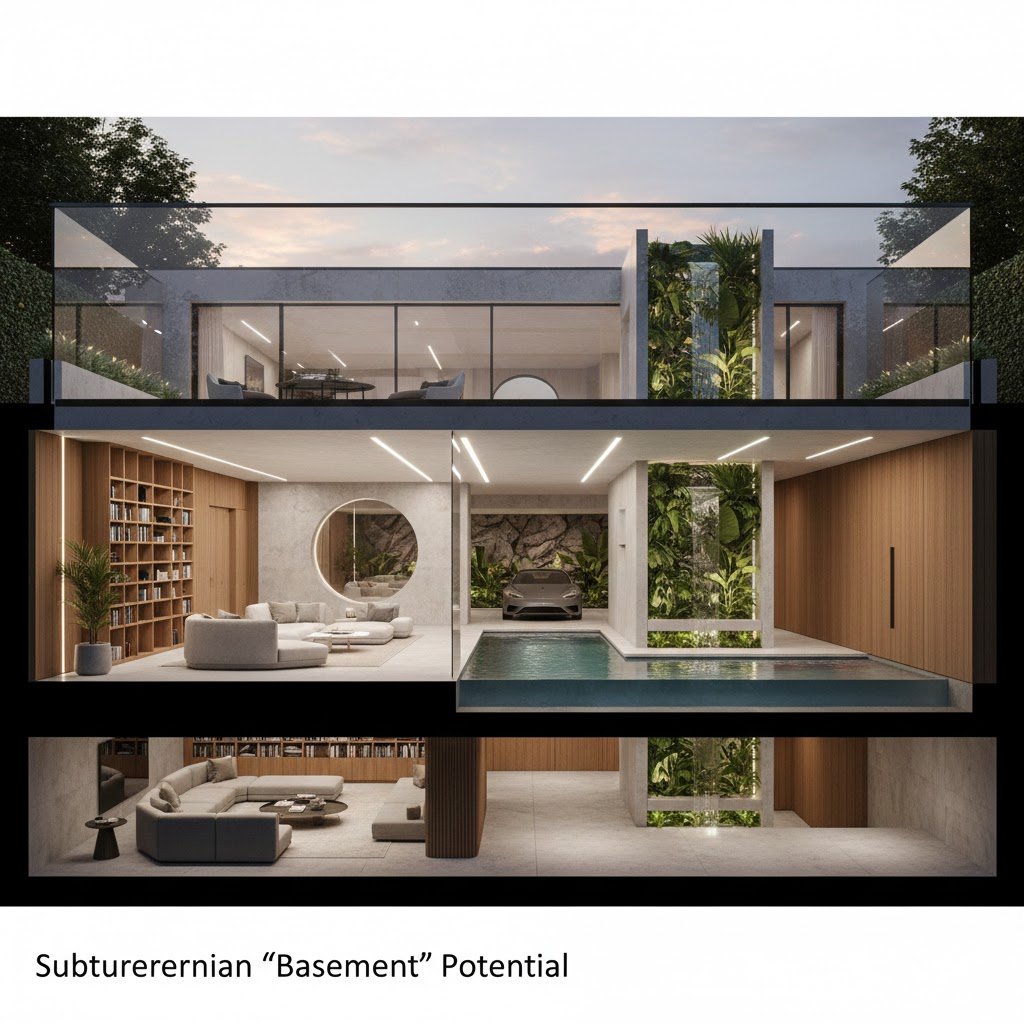
Lowering a basement can create a home gym or studio. Following the principles of earth-sheltered architecture, these spaces stay naturally cool in the summer and warm in the winter by utilizing the earth’s thermal mass.
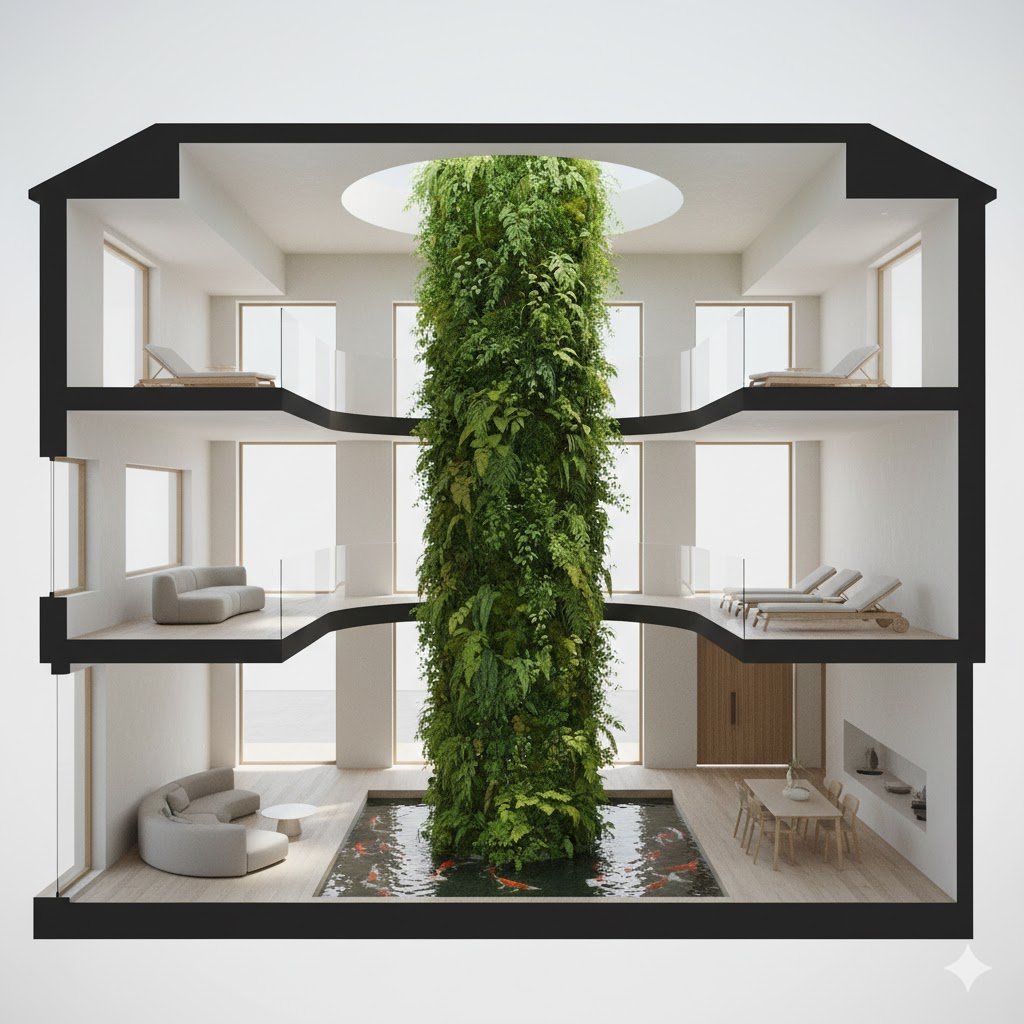
One of the biggest complaints in homes is a lack of light. Integrating lightwells and skylights into an organic extension floods the space with “biological light,” which improves mood and reduces energy costs.
Visual Inspiration: Notice how circular skylights transform an interior into a bright, ethereal sanctuary.
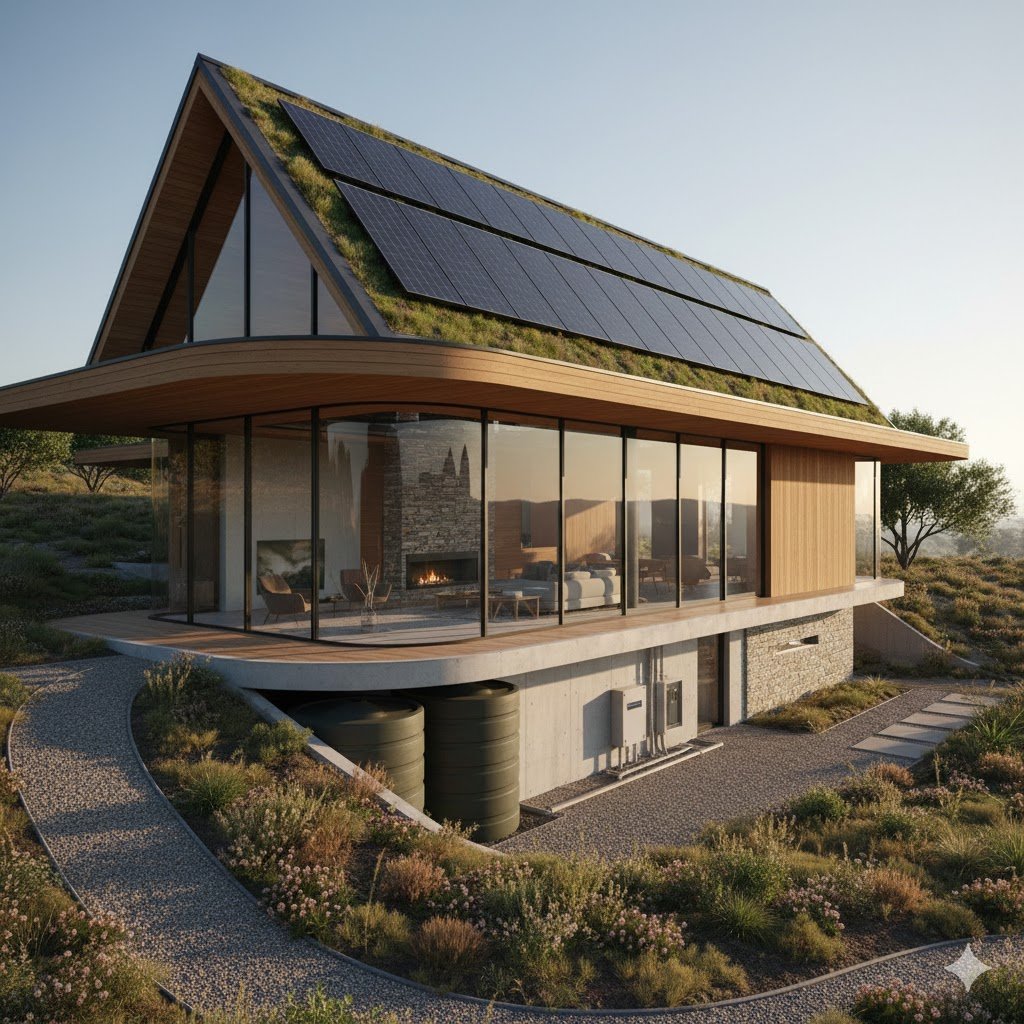
Integrate sustainable elements like solar panels and passive solar design. By mimicking the “vaulted” structure of a mollusk, your extension becomes naturally more resilient to temperature fluctuations.
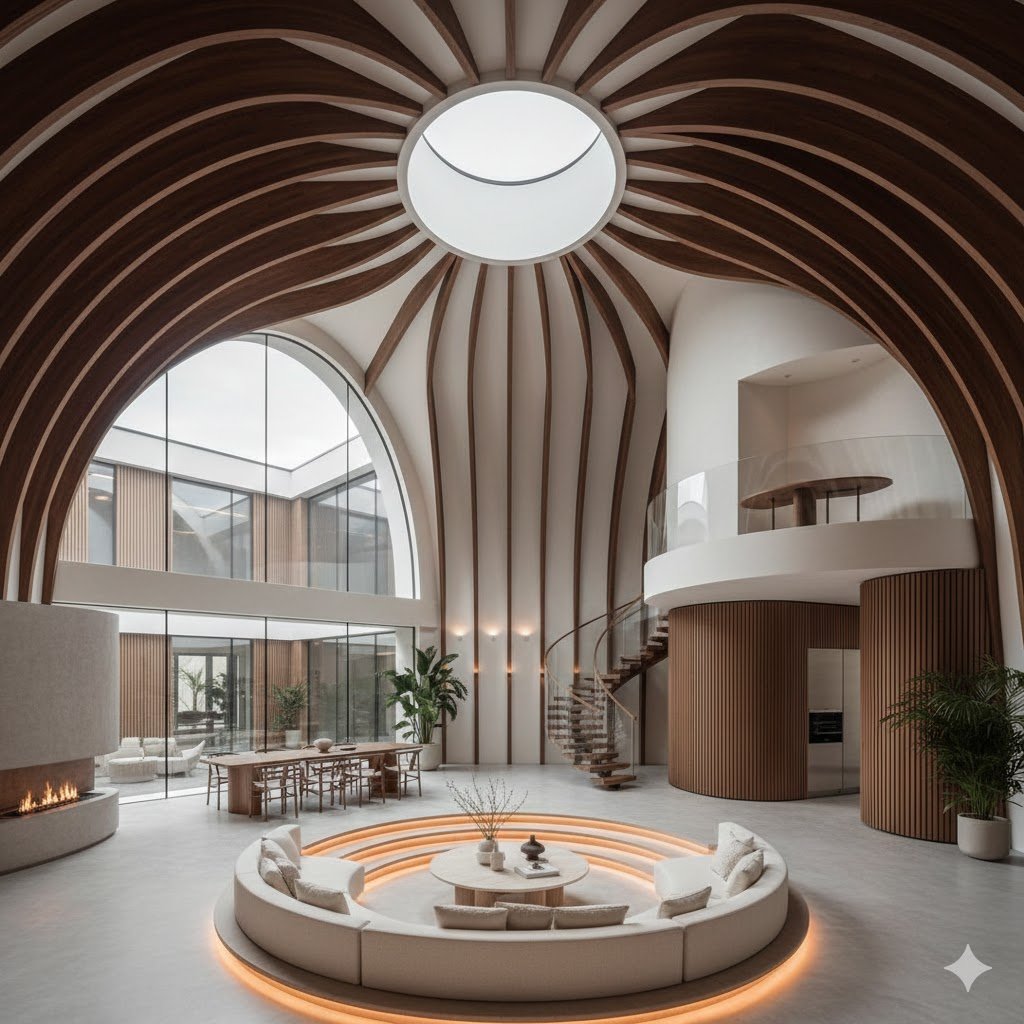
Modern homeowners prefer open-plan layouts that combine kitchen, dining, and living spaces. Organic extensions remove the “boxes-within-boxes” feel, creating a cohesive, fluid environment ideal for family life.
Before you break ground, keep these expert tips in mind:
Set a Realistic Budget: Always include a 10–20% contingency fund for the unexpected.
Evaluate Value: Ensure the extension adds both functional “joy” and long-term resale value.
Embrace the Curve: Even small details—like rounded corners or circular windows—can elevate a standard extension into a work of art.
Final Thoughts A well-designed home extension can completely transform your lifestyle. By looking “Beyond the Blueprint” and embracing the organic shapes found in nature, you create a home that doesn’t just house you—it sustains you.