Address
304 North Cardinal
St. Dorchester Center, MA 02124
Work Hours
Monday to Friday: 7AM - 7PM
Weekend: 10AM - 5PM
Address
304 North Cardinal
St. Dorchester Center, MA 02124
Work Hours
Monday to Friday: 7AM - 7PM
Weekend: 10AM - 5PM
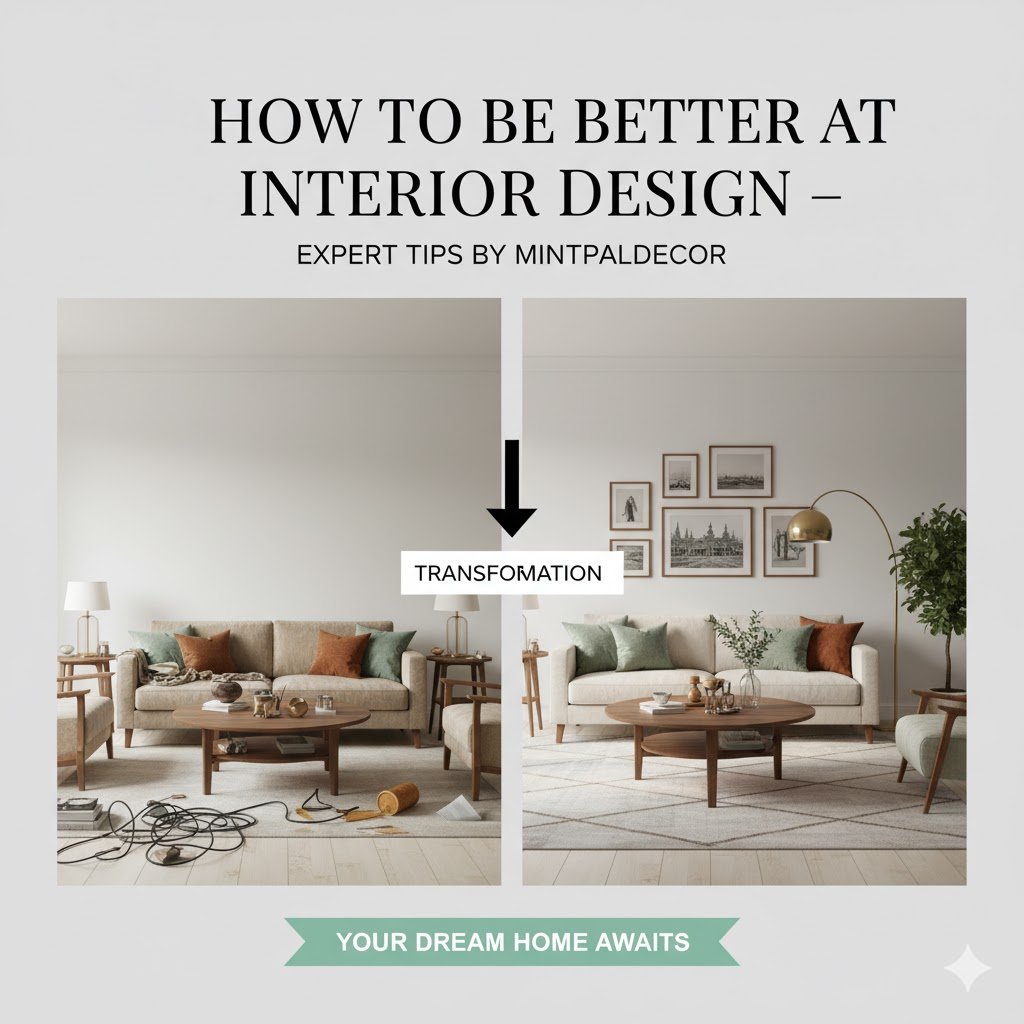
Interior design is not just about decorating a room with beautiful furniture or stylish accessories. It is the art of creating a space that feels comfortable, functional, and visually appealing. A well-designed interior can improve mood, increase productivity, and make everyday living more enjoyable.
If you want to improve your interior design skills, you do not need to be a professional designer. With the right knowledge, creativity, and attention to detail, anyone can transform a simple space into something extraordinary. At MintPalDecor, the goal is to help people design homes that reflect their personality while maintaining balance and functionality.
This guide will walk you through practical and easy ways to become better at interior design.
The first step in good interior design is understanding how a space will be used. Every room in a home serves a different purpose, and the design should reflect that.
For example, a living room meant for family gatherings should feel welcoming and comfortable, while a home office should promote focus and productivity. Before choosing colors or furniture, think about the lifestyle of the people using the space.
Ask yourself a few simple questions:
What activities will take place in this room?
How many people will use it regularly?
Should the atmosphere feel relaxing, energetic, or elegant?
When you design with purpose, the space naturally becomes more practical and harmonious.
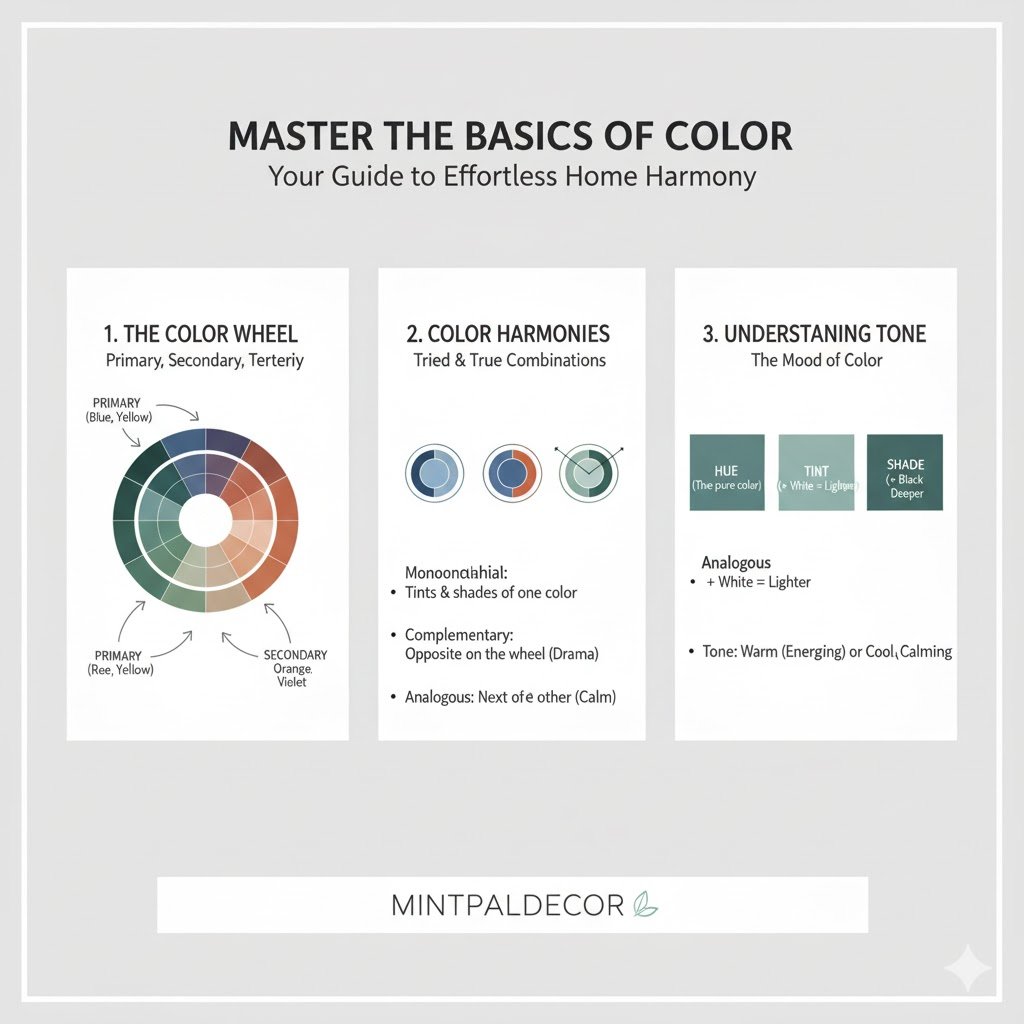
Color has a powerful effect on how a room looks and feels. Learning basic color principles can dramatically improve your interior design skills.
Neutral shades such as white, beige, and grey create a calm and timeless foundation. Brighter colors like blue, green, or yellow can be used as accents to add personality.
A popular interior design method is the 60–30–10 rule:
60% of the room uses a dominant color (usually walls)
30% uses a secondary color (furniture or curtains)
10% uses accent colors (decor or accessories)
This simple rule helps maintain balance and prevents a room from looking chaotic.
Lighting is one of the most important yet often overlooked elements in interior design. Good lighting can completely change the atmosphere of a room.
A well-designed space usually combines three types of lighting:
Ambient lighting – general lighting that brightens the entire room.
Task lighting – focused lighting for activities like reading or cooking.
Accent lighting – decorative lighting that highlights artwork, plants, or design features.
Natural light should also be maximized whenever possible. Large windows, mirrors, and light-colored walls can make a room feel brighter and more open.
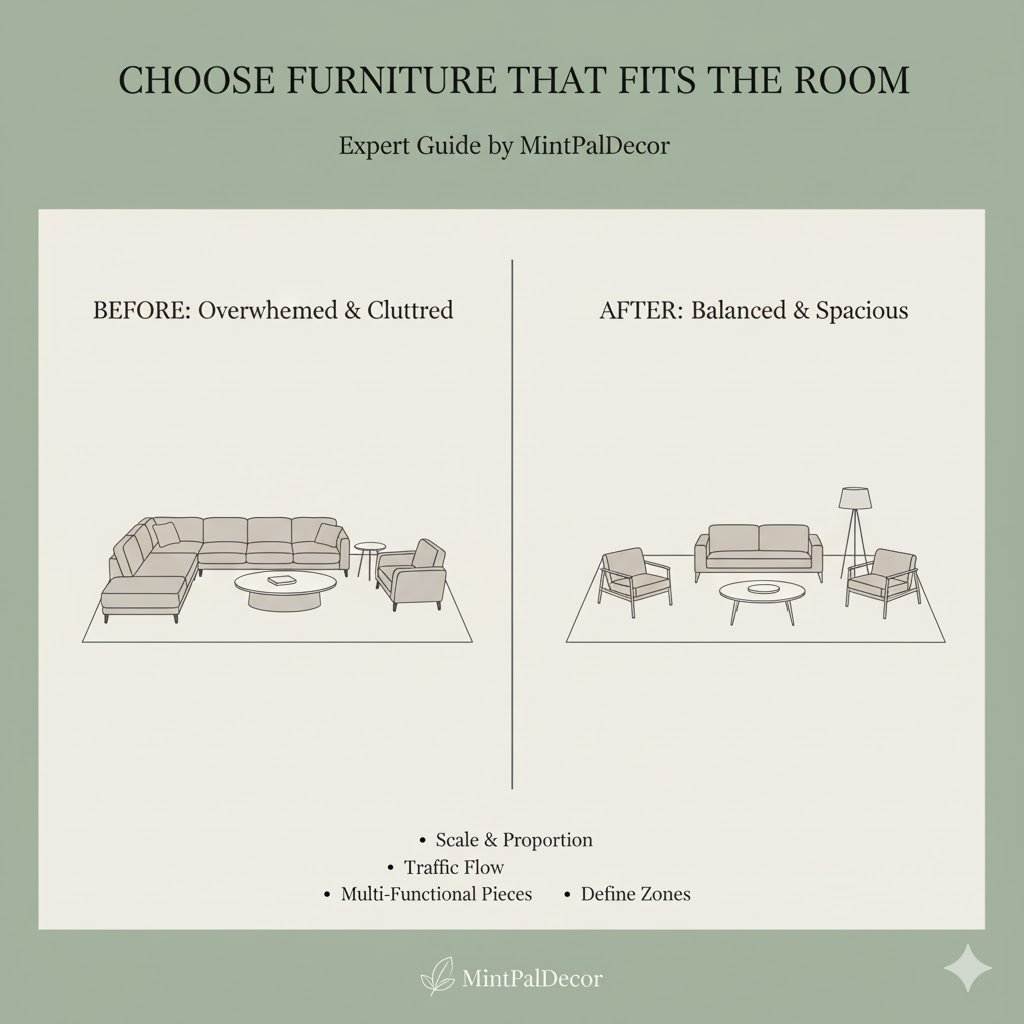
Furniture selection plays a key role in interior design. One of the most common mistakes people make is choosing furniture that is either too big or too small for the room.
To avoid this:
Measure the room before buying furniture.
Leave enough space for movement.
Avoid overcrowding the area.
A balanced layout ensures that the room feels open and comfortable instead of cramped. At MintPalDecor, designers always emphasize creating harmony between furniture size, placement, and room dimensions.
A room with only one type of material can feel flat and boring. Mixing different textures adds depth and visual interest.
For example:
Wooden furniture adds warmth.
Glass elements create a modern touch.
Metal accents provide sophistication.
Soft fabrics like rugs, cushions, and curtains add comfort.
Combining these materials thoughtfully can make a room feel rich, layered, and inviting.
Good interior design is not just about what you place in a room, but also where you place it. A well-planned layout improves both functionality and appearance.
When arranging furniture:
Keep pathways clear for easy movement.
Arrange seating areas to encourage conversation.
Avoid blocking natural light sources.
Balanced spaces feel calm and organized, which makes them more enjoyable to live in.
The most beautiful homes are the ones that reflect the personality of the people living in them. Adding personal touches makes the design feel authentic rather than generic.
Consider including:
Artwork that you love
Family photos
Travel souvenirs
Handmade decorations
Indoor plants
These elements make your home unique and create a story within the space. MintPalDecor encourages homeowners to blend professional design principles with personal style.
Interior design trends change over time, and staying inspired can help you develop fresh ideas. Following design blogs, magazines, and home décor platforms can expose you to new styles and concepts.
Some popular modern trends include:
Minimalist interiors
Eco-friendly materials
Natural textures
Smart home features
Neutral color palettes with bold accents
However, trends should guide your creativity rather than control it. The best designs combine modern inspiration with timeless elements.
Interior design is a skill that improves with practice. Try experimenting with small changes in your home to see what works best.
You can:
Rearrange furniture layouts
Change wall colors
Add new lighting
Update decorative accessories
Creating mood boards or sketching design ideas can also help you visualize how a room will look before making major changes.
Over time, you will develop your own design style and confidence.
Becoming better at interior design is a journey of creativity, learning, and experimentation. By understanding space planning, color combinations, lighting techniques, and furniture placement, anyone can create a beautiful and functional home.
With guidance and inspiration from MintPalDecor, transforming your living space becomes easier and more enjoyable. Remember, great interior design is not about following strict rules—it is about designing a space that feels comfortable, reflects your personality, and enhances your daily life.