Address
304 North Cardinal
St. Dorchester Center, MA 02124
Work Hours
Monday to Friday: 7AM - 7PM
Weekend: 10AM - 5PM
Address
304 North Cardinal
St. Dorchester Center, MA 02124
Work Hours
Monday to Friday: 7AM - 7PM
Weekend: 10AM - 5PM
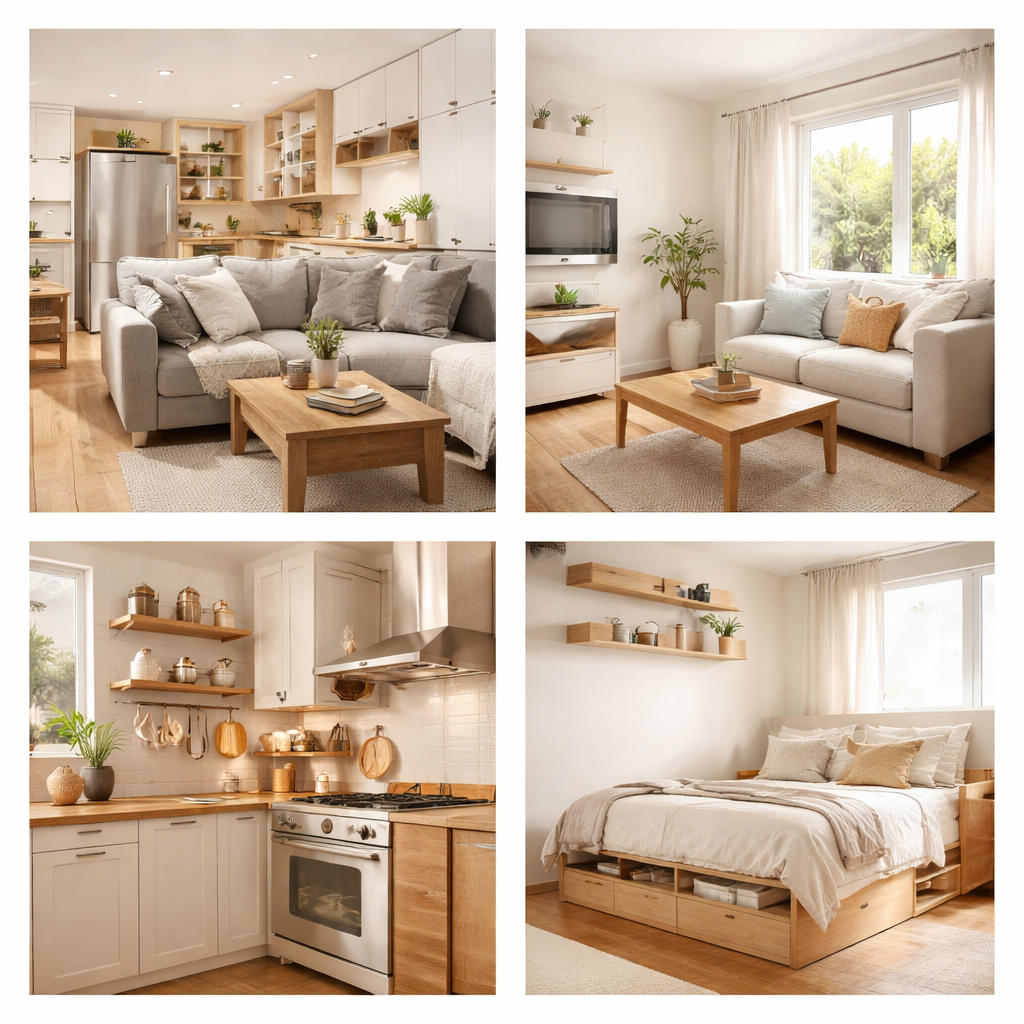
There’s a common misconception that a “dream home” requires a sprawling floor plan and a dozen spare rooms. But more people are discovering a different kind of magic: the beauty of the small home.
A small house isn’t about “making do” with less space. It’s about living better with more intention. It’s the relief of knowing exactly where your keys are, the warmth of a sun-drenched corner, and the freedom of a weekend not spent power-washing a massive exterior.
If you’ve ever felt buried by “stuff” or overwhelmed by maintenance, here is your guide to why—and how—to embrace the small house lifestyle.
While “tiny houses” usually sit under 400 square feet, a small home typically ranges between 400 and 1,000 square feet. However, the true definition isn’t found in a tape measure; it’s found in utility. In a small home, there are no “ghost rooms” that sit empty for months. Every square inch has a job to do, and every room is designed to feel open, curated, and purposeful.
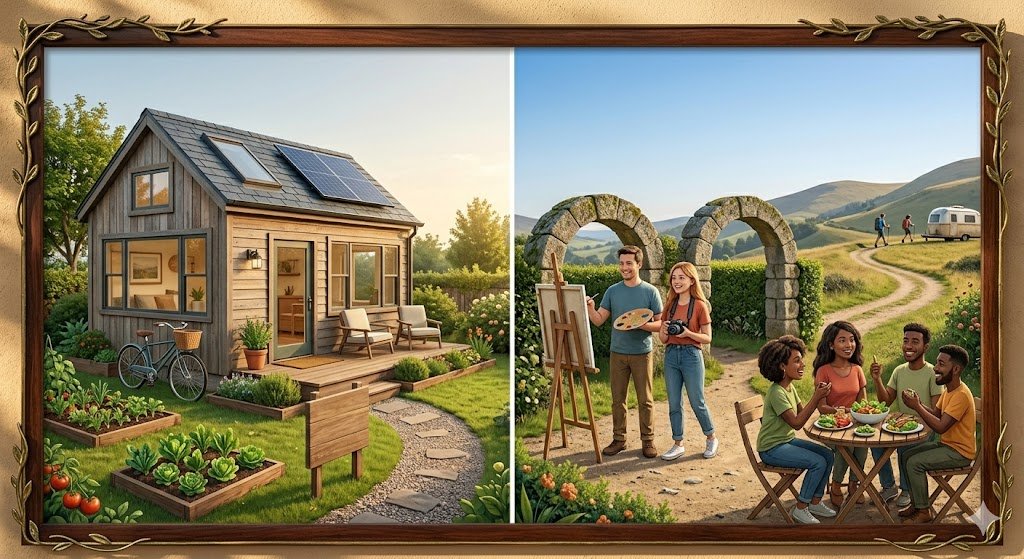
A smaller footprint means smaller bills. From a lower mortgage to reduced heating and cooling costs, living small gives your bank account room to breathe. That “extra” money? It’s now your travel fund, your retirement, or your hobby budget.
You can deep-clean a 900-square-foot home in under an hour. When you spend less time managing your property, you spend more time living your life.
In a large house, clutter hides in corners. In a small house, clutter has nowhere to go. This encourages a “one-in, one-out” philosophy that leads to a calmer, more peaceful environment filled only with things you truly love.
Small homes naturally bring people together. Whether it’s the shared aroma of coffee in the morning or the cozy proximity of a movie night, these spaces foster a unique sense of connection.
If you want your home to feel like a sanctuary rather than a shoebox, you have to play by a few “smart space” rules:
Think Vertically: When floor space is a premium, your walls are your best friend. Floor-to-ceiling shelving draws the eye upward and provides massive storage without eating into the room’s footprint.
The Power of Multi-Purpose: Every piece of furniture should earn its keep. Look for ottomans that hide blankets, dining tables that fold into desks, or beds with built-in drawers.
Invite the Outside In: Natural light is the ultimate “space expander.” Use sheer curtains, strategically placed mirrors to bounce light, and a cohesive, light color palette to make walls feel like they’re receding.
The Open Concept Flow: Minimize internal walls. An unobstructed sightline from the kitchen to the living area makes a 600-square-foot space feel twice its size.
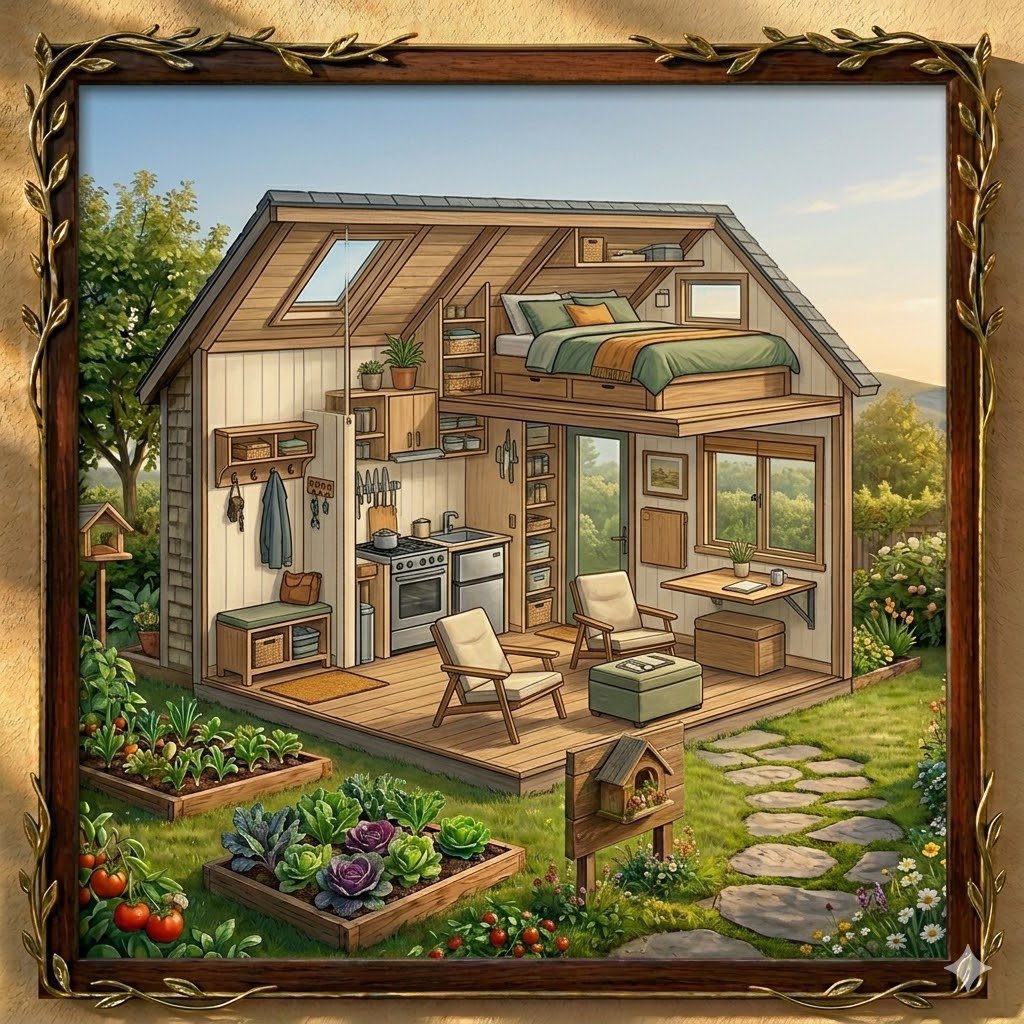
A small kitchen can be a chef’s dream if it’s organized.
Edit Your Tools: Do you really need three different blenders?
Clear the Counters: A clean counter is the fastest way to make a kitchen feel spacious.
Magnetic Magic: Use magnetic strips for knives or spice racks to save drawer space.
Your bedroom should be a soft landing, not a storage unit.
Keep it Tonal: Use different shades of the same light color to create a seamless, airy look.
Wall Sconces: Replace bulky bedside lamps with wall-mounted lights to free up your nightstand.
Leggy Furniture: Choosing a sofa with visible legs (rather than a “skirted” base) allows you to see the floor underneath, which tricks the brain into seeing more space.
Living small isn’t without its hurdles. It’s important to be realistic:
The Pros: Lower stress, lower expenses, and a home that feels like a warm hug.
The Challenges: You have to be disciplined about organization, and “me time” might require a pair of noise-canceling headphones.
A small house isn’t a limitation; it’s a liberation. It forces you to edit out the noise and focus on the signal. In the end, a home isn’t measured by its square footage, but by the quality of the life lived inside it.
When you choose to live small, you aren’t just shrinking your floor plan—you’re expanding your freedom.