Address
304 North Cardinal
St. Dorchester Center, MA 02124
Work Hours
Monday to Friday: 7AM - 7PM
Weekend: 10AM - 5PM
Address
304 North Cardinal
St. Dorchester Center, MA 02124
Work Hours
Monday to Friday: 7AM - 7PM
Weekend: 10AM - 5PM
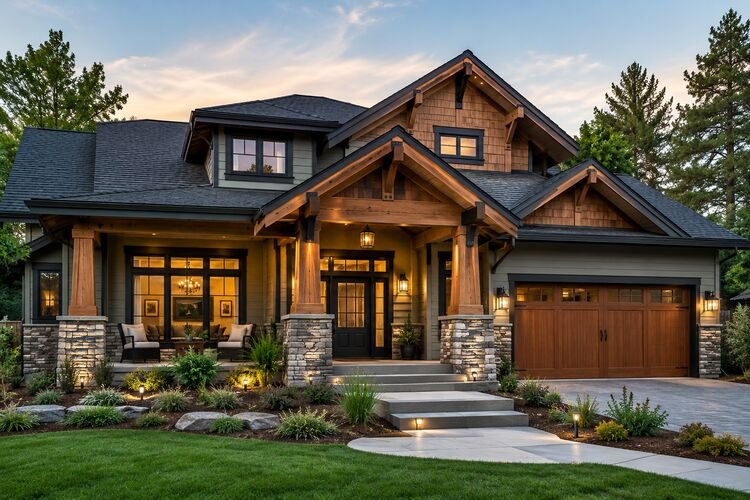
For years, modern residential architecture leaned heavily into sharp white boxes and cold, minimalist designs. While these homes looked sleek, many homeowners felt they lacked warmth and personality. At the same time, traditional homes offered charm but often felt outdated for modern lifestyles.
This shift has made the Modern Craftsman Style House one of the most popular architectural styles today.
It combines the handcrafted beauty of classic Craftsman homes with the clean lines, open layouts, and modern conveniences people expect today. The result is a home that feels welcoming, functional, and timeless rather than trendy.
Whether you’re building a new house, remodeling an older property, or simply looking for inspiration, understanding this architectural style can help you create a home that remains beautiful for decades.
A Modern Craftsman Style House is a contemporary interpretation of the traditional Craftsman home that became popular during the early 1900s. It preserves the character and craftsmanship of the original style while incorporating modern layouts, energy-efficient materials, larger windows, and brighter interiors.
Unlike minimalist homes that often rely on simple white walls and industrial finishes, a Modern Craftsman house creates warmth through natural materials like wood, stone, brick, and textured finishes.
The goal is to build a home that is both practical and visually inviting without sacrificing architectural character.
To appreciate the Modern Craftsman style, it’s helpful to understand its origins.
The Craftsman movement emerged during the late 19th century as part of the Arts and Crafts Movement. It was a response to the Industrial Revolution, when many buildings and furniture pieces were being mass-produced with little attention to craftsmanship.
Instead, Craftsman architecture celebrated handmade quality, durable materials, and thoughtful design. Traditional homes featured wide front porches, exposed roof rafters, tapered columns, heavy wooden trim, built-in cabinetry, and detailed woodwork that showcased skilled craftsmanship.
Today’s Modern Craftsman homes preserve these defining architectural elements while replacing dark interiors and closed floor plans with brighter, more open spaces that better suit contemporary living.
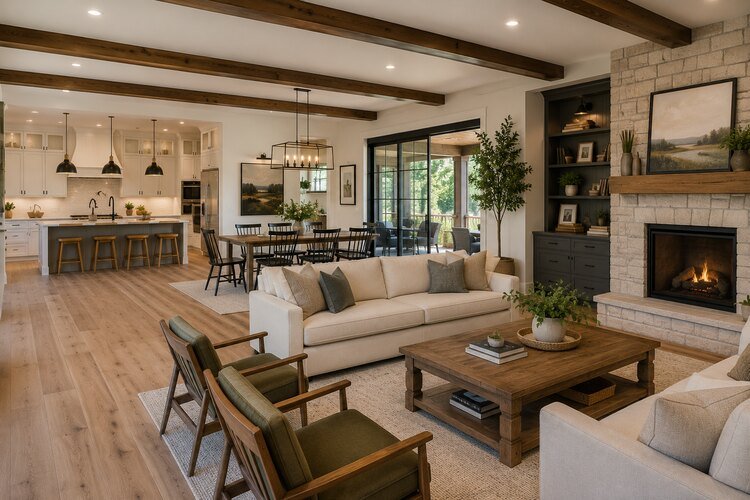
Traditional Craftsman homes often contained several separate rooms connected by narrow hallways.
Modern versions remove unnecessary walls to create open-concept layouts where the living room, dining area, and kitchen flow together naturally.
This design makes the home feel larger, allows natural light to travel throughout the space, and creates a central gathering area for families and guests. Kitchen islands often become the heart of the home, serving as places for cooking, dining, and socializing.
Natural materials remain one of the defining characteristics of this architectural style.
Rather than hiding materials behind synthetic finishes, Modern Craftsman homes celebrate texture and authenticity. Exterior designs often combine natural stone foundations, vertical fiber cement siding, cedar accents, exposed wooden beams, and black metal roofing details.
These materials create visual contrast while ensuring the home feels warm rather than overly modern.
The welcoming front porch continues to be one of the most recognizable Craftsman features.
Modern versions simplify decorative details while maintaining the inviting atmosphere. Square wooden columns placed on stone bases, tongue-and-groove wood ceilings, comfortable outdoor seating, and matte-black lighting fixtures create an elegant entrance that connects the home with its surroundings.
Modern Craftsman homes use expansive windows to brighten interior spaces and improve energy efficiency.
Large glass panels create stronger connections between indoor and outdoor spaces while reducing the need for artificial lighting during the day.
Black-framed windows have become especially popular because they provide a clean contrast against natural wood and light-colored siding.
The interior of a Modern Craftsman house focuses on comfort, simplicity, and functionality while maintaining timeless character.
Instead of the darker earth tones commonly found in older Craftsman homes, modern interiors typically use crisp whites, soft creams, warm grays, and subtle beige shades as the primary color palette.
Accent colors like olive green, charcoal gray, deep navy blue, or forest green add depth to cabinetry, doors, fireplaces, or feature walls without overwhelming the space.
Hardwood flooring remains one of the most important design elements.
Today’s homeowners often prefer wide-plank white oak flooring finished with matte or wire-brushed textures. These lighter finishes create warmth while helping rooms feel larger and brighter than traditional dark wood flooring.
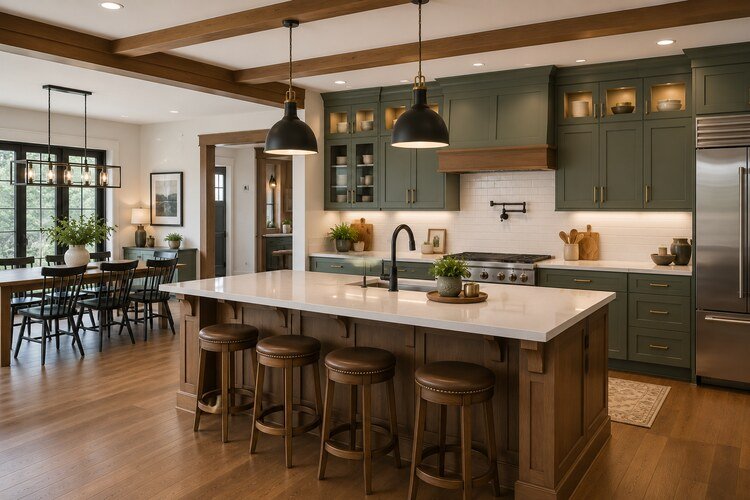
The kitchen has become the centerpiece of the Modern Craftsman home.
Instead of ornate cabinetry and decorative details, modern kitchens feature ceiling-height Shaker cabinets, durable quartz countertops, subway tile backsplashes, spacious islands, walk-in pantries, and black or brass pendant lighting.
The combination creates a kitchen that feels elegant while remaining highly functional for everyday use.
Storage is carefully integrated into the home’s design.
Built-in bookshelves, mudrooms, window seating with hidden storage, custom cabinetry, and organized entryways improve functionality while maintaining clean interior lines.
These built-in features reduce clutter and maximize available space.
One of the biggest reasons this style remains popular is its ability to combine traditional craftsmanship with modern living.
| Feature | Traditional Craftsman | Modern Craftsman |
| Color Palette | Earth tones and dark wood | White, charcoal, natural wood, black accents |
| Windows | Smaller divided windows | Large energy-efficient windows |
| Floor Plan | Separate rooms | Open-concept living spaces |
| Interior Style | Heavy wood trim | Clean lines with natural textures |
| Lifestyle | Traditional family living | Flexible modern living with better functionality |
This balance makes Modern Craftsman homes attractive to both homeowners and future buyers.
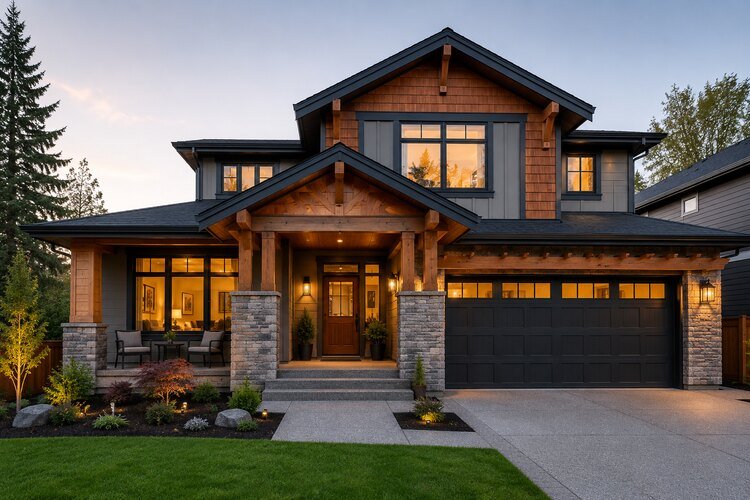
If you’re designing your own home, focus on quality instead of quantity.
Choose durable materials like natural stone, cedar, brick, and fiber cement siding rather than inexpensive synthetic alternatives. Keep architectural details simple, allowing materials and craftsmanship to become the main visual features.
Maximize natural light through large windows and glass doors while maintaining privacy with thoughtful landscaping.
Finally, extend your living space outdoors by adding covered patios, front porches, or outdoor seating areas that reflect the welcoming nature of Craftsman design.
Avoid inexpensive vinyl siding that imitates wood or plastic stone panels.
Instead: Choose high-quality fiber cement siding and genuine stone veneer for a more authentic appearance.
Traditional Craftsman homes featured detailed woodwork, but copying every historical detail can make a modern home feel outdated.
Instead: Use simple flat-stock trim with clean geometric lines while maintaining substantial proportions.
Painting everything white removes much of the warmth that defines Craftsman architecture.
Instead: Balance light walls with natural wood finishes, stone textures, and darker accent colors to preserve the home’s inviting character.
Some homeowners focus only on interiors.
Instead: Invest in landscaping, pathway lighting, front porches, and outdoor seating to complete the overall design.
A Modern Craftsman home is an excellent choice if you appreciate timeless architecture, practical layouts, quality materials, and warm living spaces.
Its flexible design works well for families, professionals, retirees, and anyone looking for a home that combines classic character with modern comfort.
Unlike short-lived design trends, the Craftsman style continues to evolve while maintaining its original architectural identity.
A Modern Craftsman Style House offers the perfect blend of traditional craftsmanship and contemporary design. From open floor plans and natural materials to bright interiors and inviting outdoor spaces, every design choice focuses on creating a home that is both functional and beautiful.
Whether you’re building a custom home or renovating an existing property, embracing Craftsman principles can help you create a space that remains stylish for years to come. By prioritizing quality materials, thoughtful layouts, and timeless design, you’ll enjoy a home that feels comfortable today and continues to add value in the future.
It combines traditional Craftsman architectural elements with modern layouts, larger windows, updated materials, and contemporary interior finishes.
Yes. Most modern designs include energy-efficient windows, improved insulation, LED lighting, and sustainable building materials.
Natural stone, cedar, brick, fiber cement siding, wood beams, quartz countertops, and metal accents are commonly used throughout Modern Craftsman homes.
White, cream, warm gray, charcoal, olive green, navy blue, and natural wood finishes create a balanced Modern Craftsman color palette.
Yes. Open-concept living spaces are one of the biggest differences between traditional and modern Craftsman homes, making them brighter and more functional.
Absolutely. Flexible layouts, spacious kitchens, built-in storage, and family-friendly living areas make Modern Craftsman homes ideal for small and growing families.