Address
304 North Cardinal
St. Dorchester Center, MA 02124
Work Hours
Monday to Friday: 7AM - 7PM
Weekend: 10AM - 5PM
Address
304 North Cardinal
St. Dorchester Center, MA 02124
Work Hours
Monday to Friday: 7AM - 7PM
Weekend: 10AM - 5PM
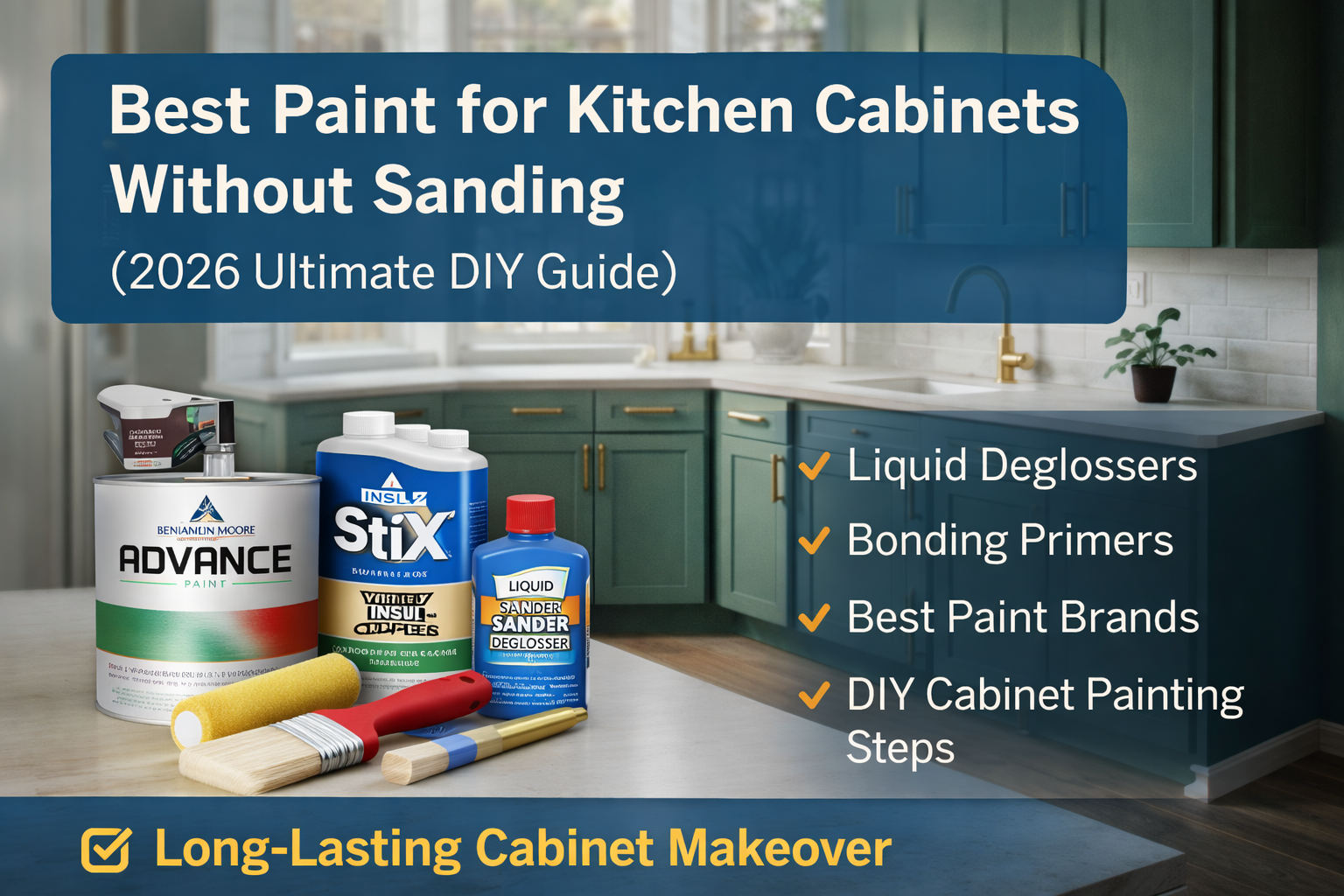
Kitchen cabinets are one of the most noticeable features of any kitchen. However, replacing them can cost $15,000 to $30,000 in the United States, making it one of the most expensive home upgrades.
Fortunately, homeowners in 2026 are choosing a smarter alternative — painting cabinets without sanding.
Thanks to modern bonding primers and liquid deglossers, you can skip the messy sanding process and still achieve a professional, factory-smooth finish.
This guide explains:
If done correctly, your cabinets can look brand new for 10+ years.
Traditionally, sanding was required to rough up the cabinet surface so paint could adhere properly.
Today, professionals use two modern solutions.
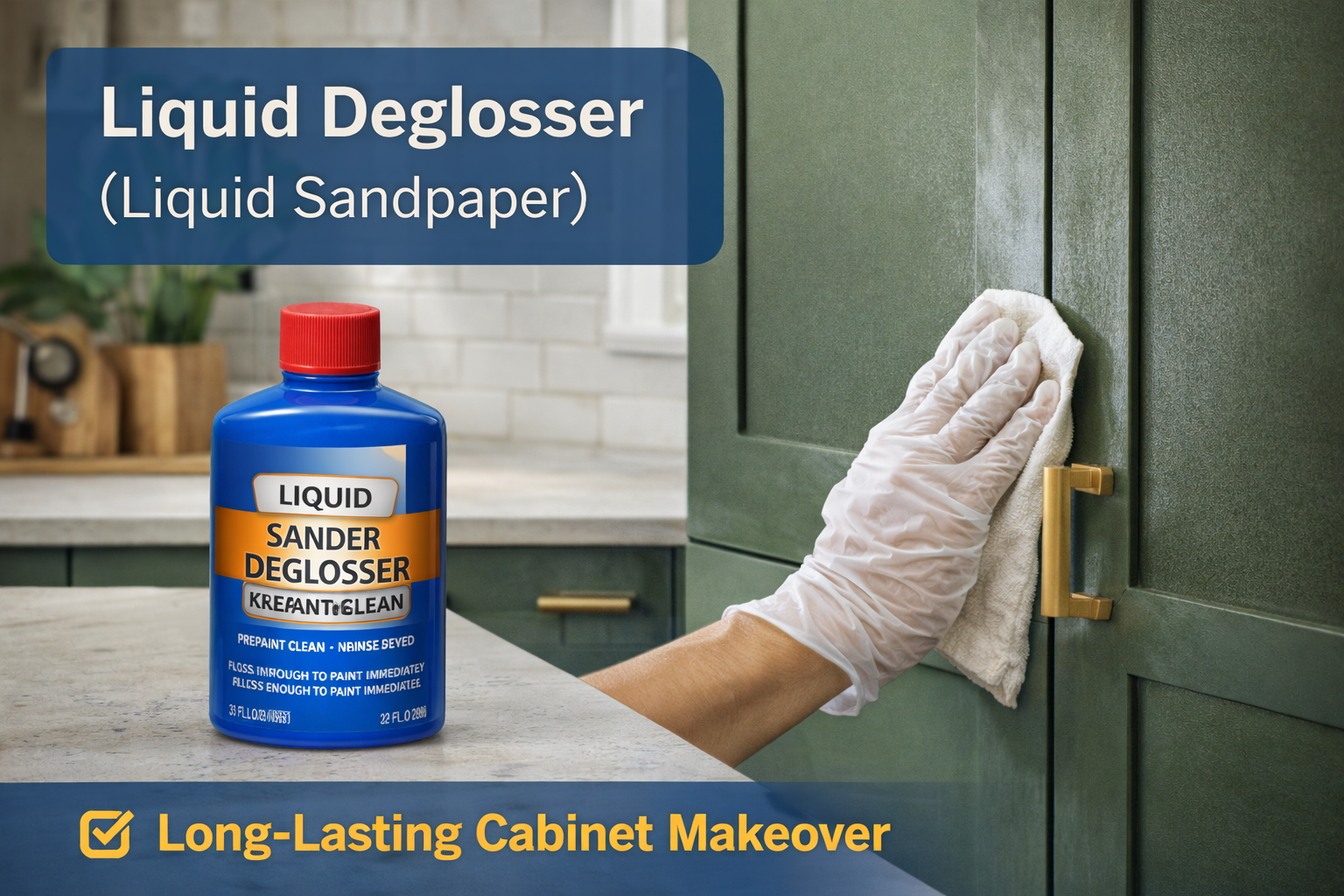
Liquid deglossers remove the glossy coating on cabinets and create a slightly rough chemical surface that allows primer to bond.
Benefits include:
Popular deglossers include:
Applying it with a cloth can replace hours of sanding work.
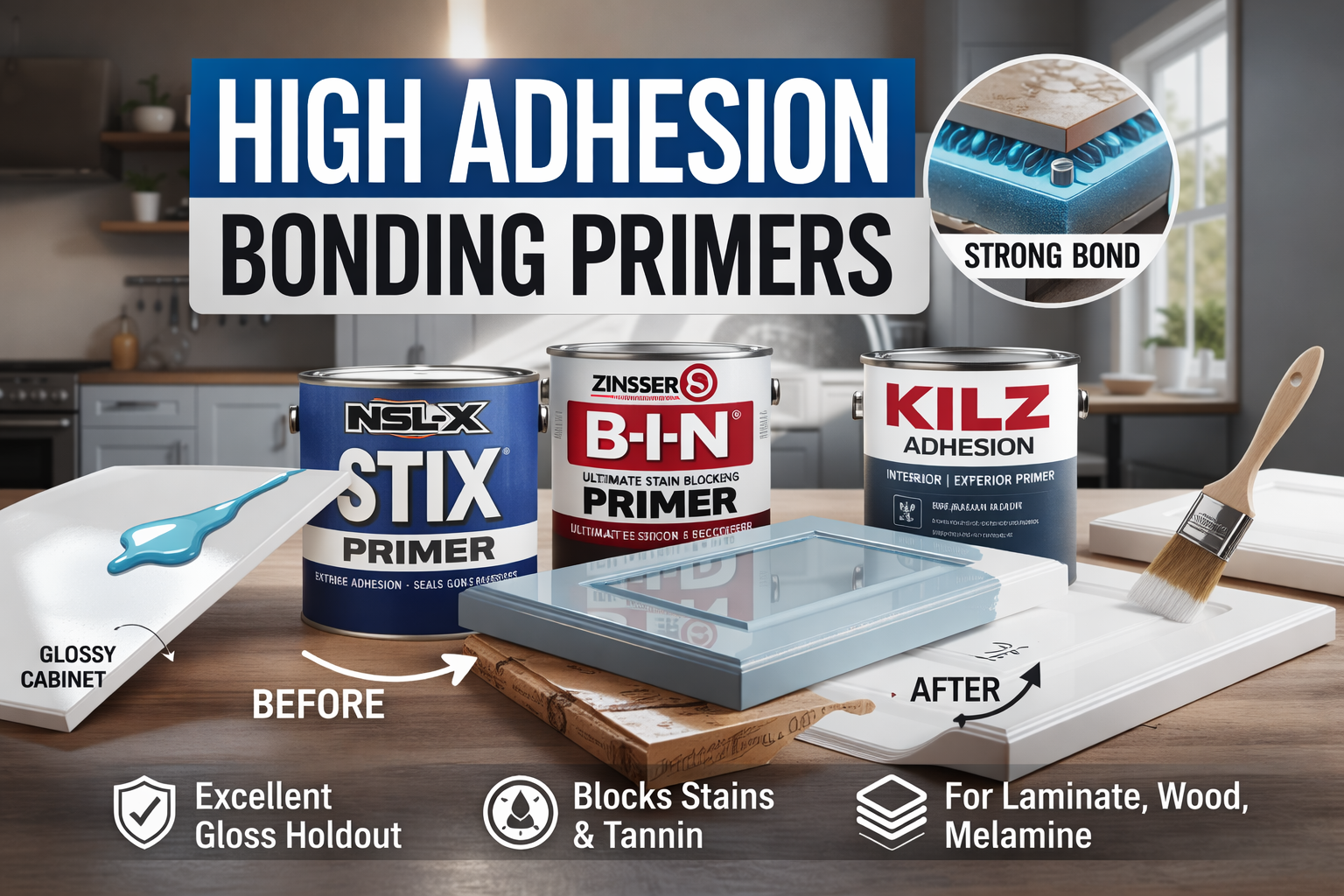
Modern bonding primers are engineered to stick to glass, laminate, tile, varnished wood, and glossy surfaces.
They act like a strong adhesive layer between cabinet surface and paint.
Best bonding primers include:
These primers are the secret behind successful no-sand cabinet painting projects.
Choosing the right paint is critical because kitchen cabinets face:
Here are the best options.
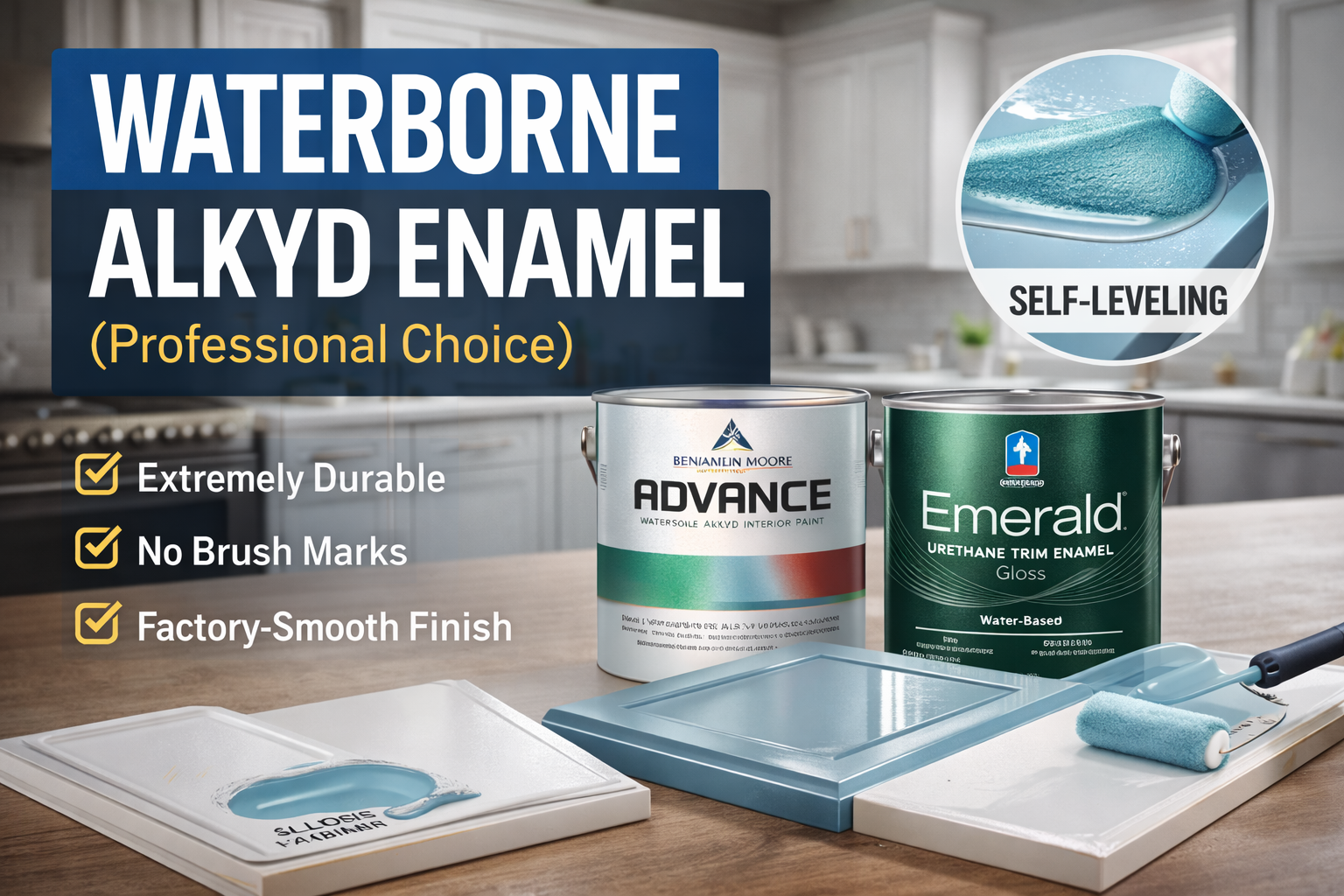
Waterborne alkyd paints provide the smoothness of oil paint with the convenience of water-based paint.
Why professionals love them:
Best products include:
These paints cure into a hard enamel finish similar to factory-painted cabinets.
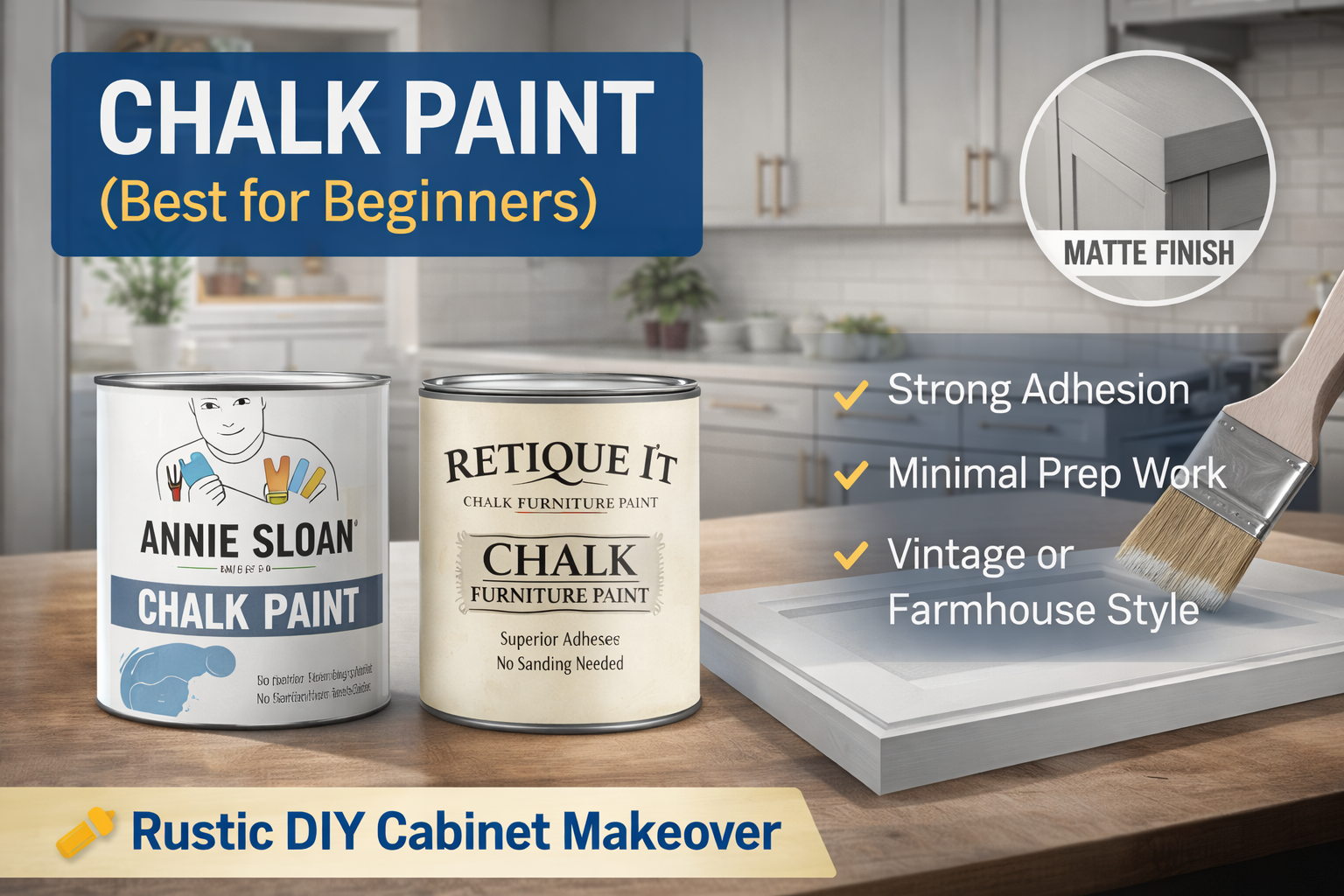
Chalk paint has strong adhesion properties and can stick to many surfaces with minimal preparation.
Advantages:
Popular brands include:
However, chalk paint requires a protective wax or polyurethane topcoat.
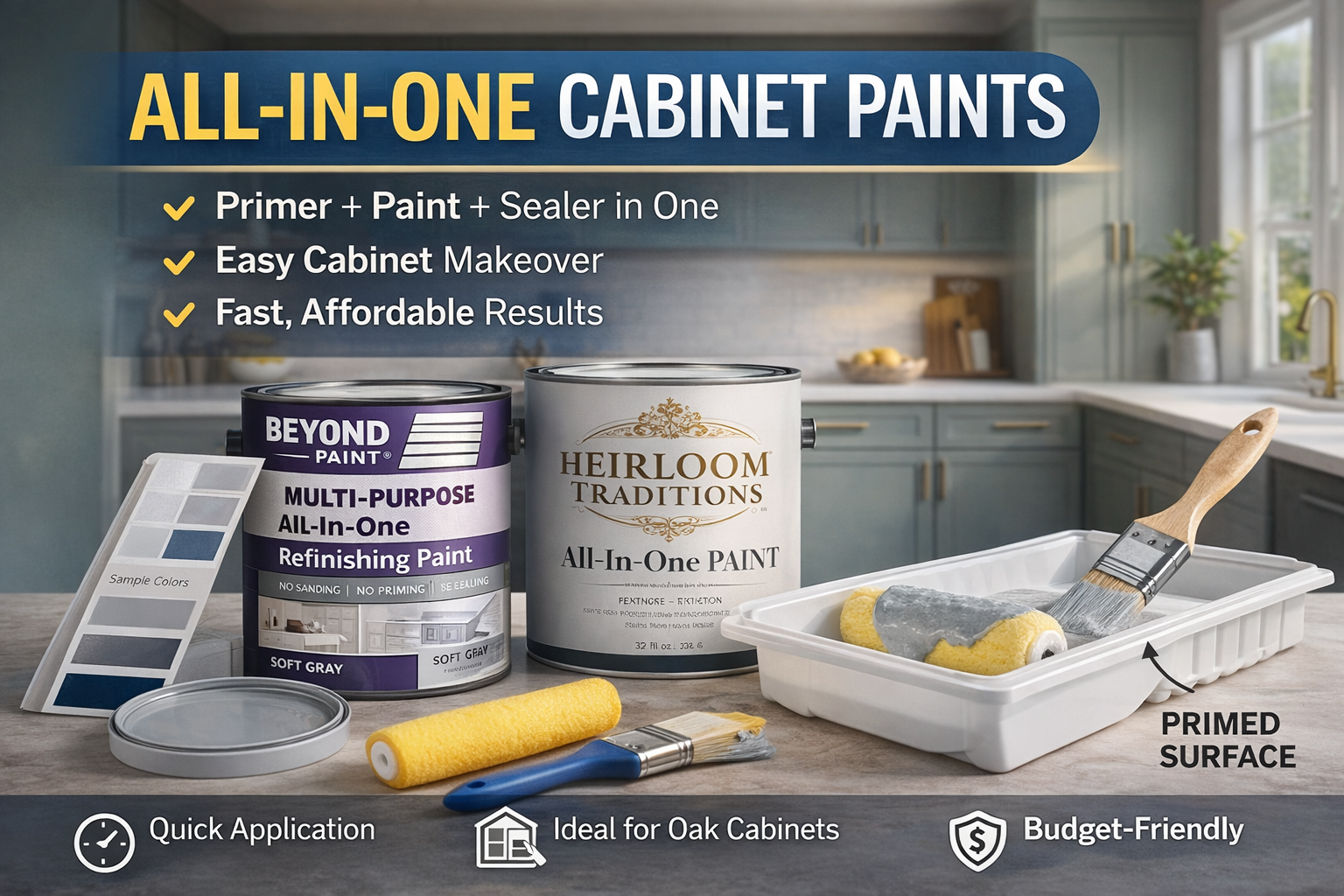
These paints combine primer, paint, and sealer in one product.
They are ideal for quick DIY cabinet transformations.
Top options include:
These paints work especially well on oak cabinets and textured wood.
Here are the top cabinet paints recommended by professionals.
Following the correct workflow ensures your paint won’t chip or peel.
Kitchen cabinets accumulate grease over time.
Clean them thoroughly using:
Even a small amount of grease can cause paint failure.
Remove:
Label every cabinet door to make reinstallation easier.
Use a lint-free cloth and wipe the entire cabinet surface.
The deglosser removes the glossy layer and prepares it for primer.
Use a high adhesion primer such as INSL-X Stix.
Tools recommended:
This creates a perfectly smooth base.
Apply a thin even coat.
Avoid over-brushing since high-quality enamel paints self-level naturally.
After proper drying time (usually 4-8 hours), apply the second coat.
Two thin coats provide maximum durability and color depth.
This is the step most DIYers ignore.
Paint may feel dry quickly, but full curing takes 14 to 21 days.
Avoid heavy cleaning during this period.
Modern kitchens are shifting toward warmer and nature-inspired colors.
Popular cabinet colors include:
Sage green and olive tones are extremely popular in modern kitchens.
A mix of gray and beige that adds warmth to contemporary kitchens.
White upper cabinets combined with navy or charcoal lower cabinets create a luxury designer look.
Average cost in the US:
$3,000 – $7,000
Typical cost breakdown:
Paint: $180
Bonding Primer: $60
Deglosser and cleaners: $40
Brushes and rollers: $50
Total DIY Cost: $300 – $350
This means homeowners can save over $4,000.
Yes. Using liquid deglosser and a bonding primer allows paint to adhere to glossy surfaces without mechanical sanding.
A high density foam roller or microfiber roller with 1/4 inch nap provides the smoothest finish.
Yes. Laminate cabinets actually work well with deglosser and bonding primers because sanding can damage the laminate surface.
If you use waterborne alkyd enamel, a topcoat is not necessary. Chalk paint, however, requires a wax or polyurethane seal.
When properly applied and fully cured, cabinet paint can last 8 to 12 years without major wear.
Painting kitchen cabinets without sanding is no longer a risky DIY shortcut. Modern products like liquid deglossers and bonding primers make it possible to achieve a smooth, durable cabinet finish without the dust and effort of traditional sanding.
With the right paint and proper preparation, homeowners can completely transform their kitchens for under $400, saving thousands compared to cabinet replacement.
If you follow the professional method outlined in this guide, your cabinets can look factory finished and last for many years.
For more info visit :- dailyhomediy.com