Address
304 North Cardinal
St. Dorchester Center, MA 02124
Work Hours
Monday to Friday: 7AM - 7PM
Weekend: 10AM - 5PM
Address
304 North Cardinal
St. Dorchester Center, MA 02124
Work Hours
Monday to Friday: 7AM - 7PM
Weekend: 10AM - 5PM
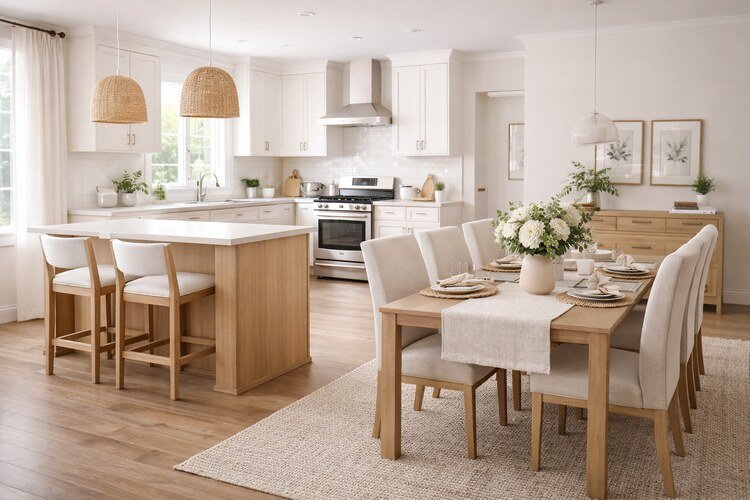
The concept of kitchen dining has become an essential part of modern home design. No longer limited to a separate dining room, today’s homes embrace kitchen dining areas that blend cooking, eating, and socializing into one cohesive space. Whether you live in a compact apartment or a spacious house, a thoughtfully designed kitchen dining area can enhance comfort, functionality, and style.
Kitchen dining is not just about placing a table near the kitchen—it’s about creating a welcoming environment where meals, conversations, and memories come together.
Kitchen dining refers to an integrated space where dining facilities are located within or adjacent to the kitchen. This setup allows easy access to food preparation areas while maintaining a comfortable spot for meals. Kitchen dining spaces can range from small breakfast nooks to large dining tables or kitchen islands with seating.
This design approach is especially popular in open-plan homes, as it promotes interaction and makes the kitchen feel more connected to daily life.
One of the biggest advantages of kitchen dining is convenience. Meals can be served quickly, cleanup becomes easier, and family members can stay connected while cooking or dining.
Other key benefits include:
Kitchen dining areas are also perfect for casual meals, quick breakfasts, and informal entertaining.
Selecting the right furniture is crucial for a comfortable kitchen dining space. The size of your kitchen, layout, and personal style should guide your choices.
Popular kitchen dining furniture options include:
Materials like wood, metal, and glass are commonly used, depending on whether you prefer a modern, rustic, or traditional look.
The layout of your kitchen dining area plays a major role in how functional and inviting it feels.
Some popular kitchen dining layouts include:
Always ensure enough walking space around the dining area for easy movement.
Lighting sets the mood in any kitchen dining area. A combination of ambient, task, and accent lighting works best.
Common lighting choices include:
Good lighting makes the space feel inviting and enhances the overall dining experience.
Décor helps define the personality of your kitchen dining area. Simple additions can make a big impact without overwhelming the space.
Ideas to enhance your kitchen dining décor:
Neutral colors create a calm environment, while bold accents add character.
Yes, kitchen dining is ideal for small homes. Compact tables, foldable furniture, and island seating help maximize space.
Round tables work well in small kitchens, while rectangular tables are better for larger spaces or families.
Absolutely. Kitchen islands with stools are popular for casual meals and everyday dining.
You can use rugs, lighting, or different flooring to visually separate the dining area without walls.
Durable materials like solid wood, metal, and easy-to-clean surfaces are best for daily use.
Kitchen dining has transformed the way we use our homes, combining practicality with comfort and style. By integrating dining into the kitchen, homeowners create a space that supports everyday living, family bonding, and effortless entertaining. From choosing the right furniture and layout to adding thoughtful décor and lighting, a well-designed kitchen dining area enhances both functionality and aesthetics.
Whether your style is modern, traditional, or minimalist, kitchen dining offers endless possibilities to create a warm and inviting space where meals become memorable moments.