Address
304 North Cardinal
St. Dorchester Center, MA 02124
Work Hours
Monday to Friday: 7AM - 7PM
Weekend: 10AM - 5PM
Address
304 North Cardinal
St. Dorchester Center, MA 02124
Work Hours
Monday to Friday: 7AM - 7PM
Weekend: 10AM - 5PM
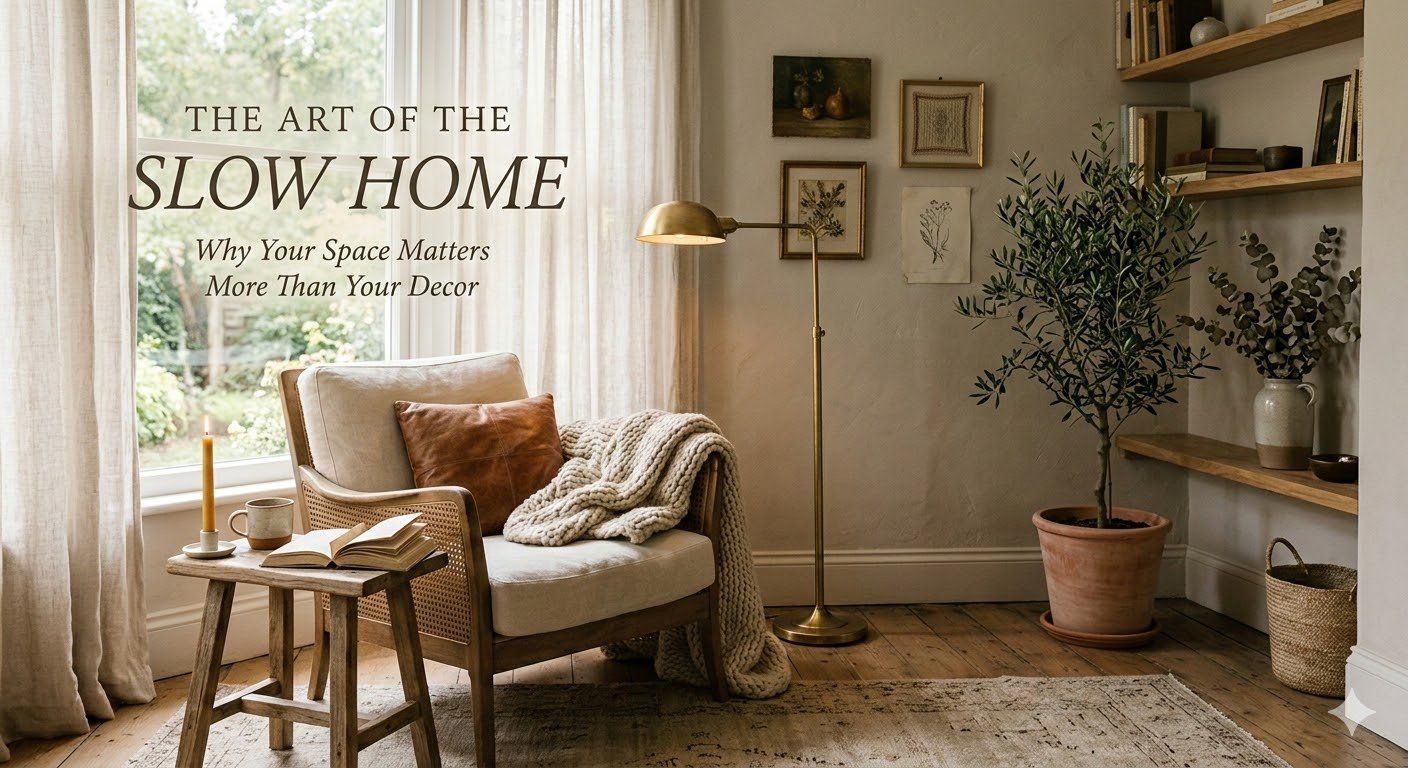
We’ve all been there: staring at a room that feels “fine” but doesn’t feel like us. We scroll through endless feeds of minimalist lofts and Japandi retreats, feeling a strange pressure to buy our way into a personality.
But at TheHomeTrotters, we’ve realized something vital: A home isn’t a showroom. It’s the backdrop to your Tuesday morning coffee, your late-night heart-to-hearts, and your Sunday afternoon resets. If a room doesn’t hug you when you walk in, it’s not finished—no matter how expensive the rug was.
Here is how we’re rethinking the way we live.
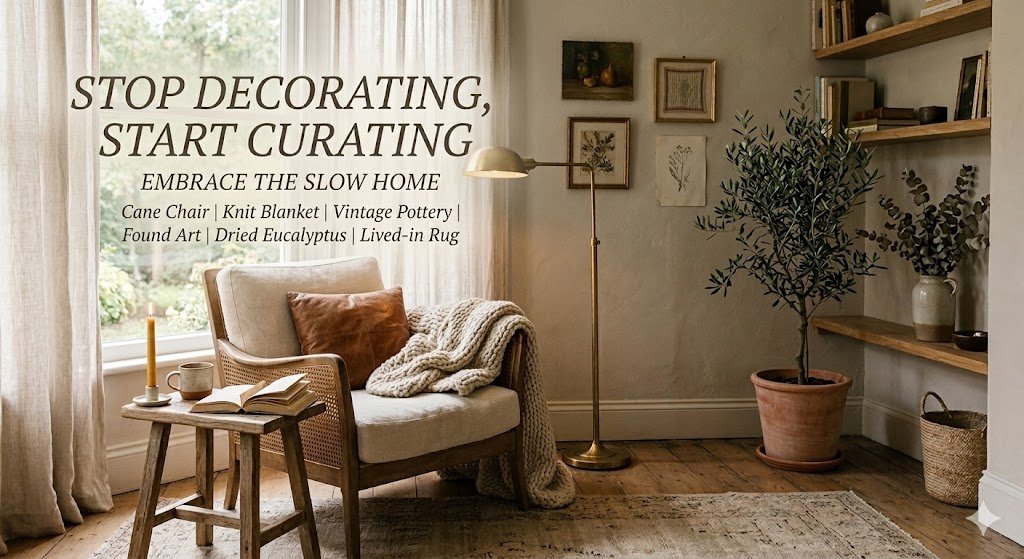
The biggest mistake we make is trying to “finish” a room in a weekend. That’s how you end up with a house that looks like a furniture catalog—sterile and soul-less.
The Human Approach: Let your home grow with you. Buy the vintage vase because it reminds you of a trip; keep the inherited chair because it’s comfortable, even if the wood doesn’t perfectly match the floor. A “collected” home feels lived-in because it actually has been lived in.
Design isn’t just about what looks good; it’s about how it works when you’re tired. If you have to move three things just to reach your toaster, your kitchen is failing you.
The Drop Zone: We all have “the chair” where clothes pile up. Instead of fighting your nature, lean into it. Put a beautiful woven basket there.
The Path of Least Resistance: Arrange your furniture based on how you actually move through the room, not how the floor plan says you should. If you always read in the corner, put the lamp there. Don’t make yourself walk across the room to turn it on.
You can have a perfectly neutral room that feels cold, or a neutral room that feels like a warm embrace. The difference is texture.
The Rule of Contrast: If your sofa is smooth leather, throw a chunky wool blanket over it. If your floors are hard oak, lay down a soft, high-pile rug.
Touch Matters: Our brains relax when we touch natural materials—linen, stone, wood, cotton. These “honest” materials ground us in a way that plastic and polyester never can.
Overhead “big lights” are the enemy of a cozy evening. They’re clinical. They’re for finding lost contact lenses, not for relaxing.
The Golden Hour, All Day: Use “warm white” bulbs (2700K).
The Three-Point Glow: Every room needs at least three sources of light at eye level—a floor lamp by the chair, a small amber lamp on a bookshelf, and maybe a candle on the coffee table. When the sun goes down, turn off the ceiling light and let the “glow” take over. It instantly lowers your heart rate.
We’ve all heard about the benefits of indoor plants, but if keeping a fiddle-leaf fig alive stresses you out, it’s defeating the purpose.
Low Stakes Greenery: A single dried eucalyptus branch in a tall vase lasts forever and smells incredible. Or, just open the curtains. Natural light is the best “decor” money can’t buy. It connects us to the rhythm of the day, helping our internal clocks stay steady.
Your home should be a relief, not a chore. It’s the one place in the world where you don’t have to perform. So, move the sofa, paint that wall the “weird” color you love, and stop worrying about what’s trending.
TheHomeTrotters isn’t about following rules—it’s about finding your way home.