Address
304 North Cardinal
St. Dorchester Center, MA 02124
Work Hours
Monday to Friday: 7AM - 7PM
Weekend: 10AM - 5PM
Address
304 North Cardinal
St. Dorchester Center, MA 02124
Work Hours
Monday to Friday: 7AM - 7PM
Weekend: 10AM - 5PM
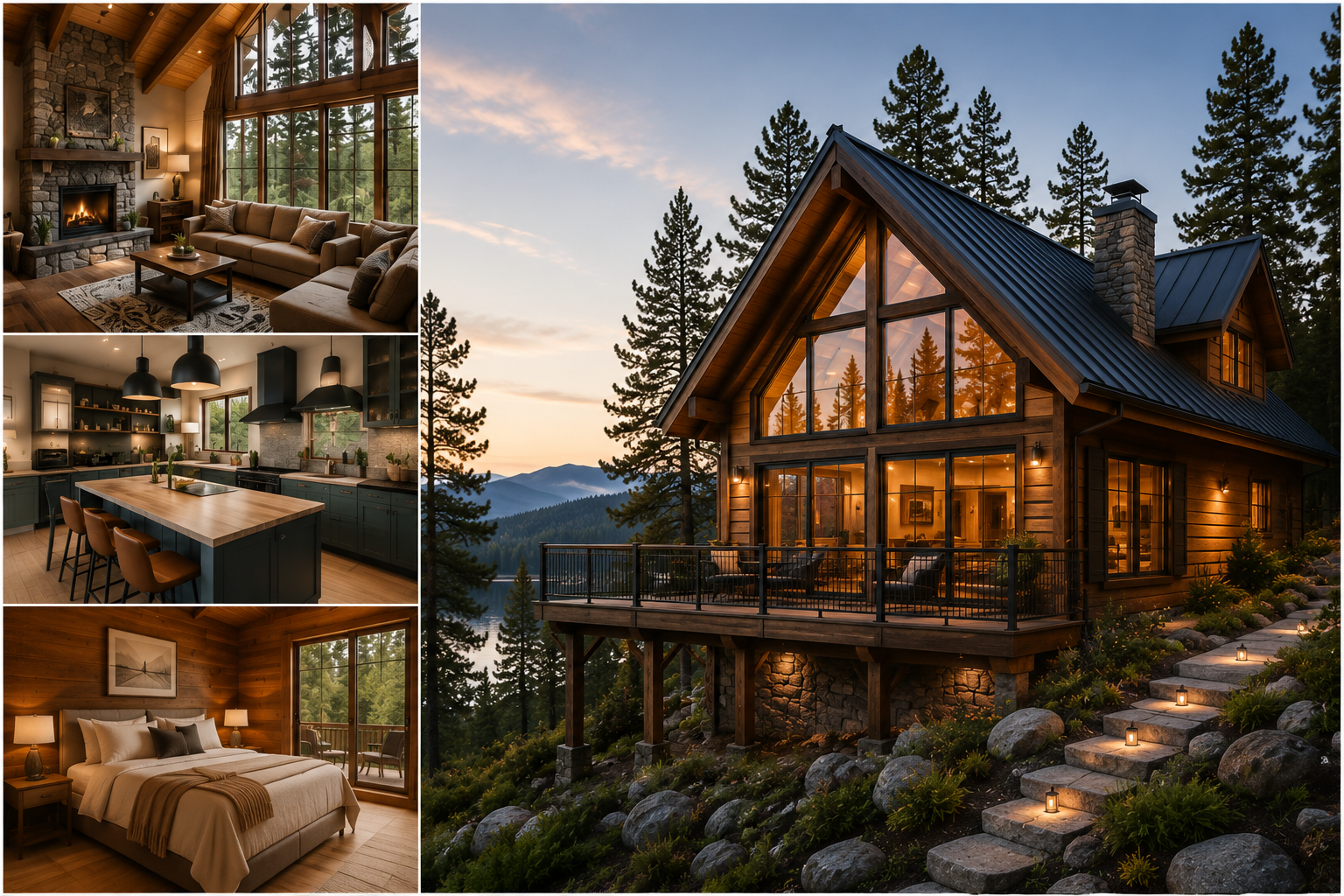
In this guide, we’ll walk you through the most popular cabin designs, what makes each one unique, and how to choose the best cabin style for your needs.
A cabin isn’t just a structure — it’s an experience. The design you choose affects everything: how the cabin performs in different climates, how much it costs to build and maintain, how much natural light you get, and how the space feels when you’re inside it.
Getting the design right from the start saves you time, money, and regret.
Best for: Contemporary aesthetics, large view lots, warmer climates
Modern cabin design strips away the rustic clutter and replaces it with clean lines, floor-to-ceiling windows, and open-plan interiors. Think dark wood or black metal cladding on the exterior, flat or shed roofs, and minimalist interiors flooded with natural light.
Key features:
Popular in: Pacific Northwest, Scandinavia-inspired builds, mountain high-altitude lots
Best for: Traditional aesthetics, cold climates, forested settings
The log cabin is the original American wilderness retreat. Handcrafted from full or milled logs, these structures have natural insulating properties, a warm aesthetic that never goes out of style, and a sense of permanence that prefab buildings simply can’t replicate.
Key features:
Popular in: Appalachian Mountains, Rocky Mountains, Canadian wilderness
Best for: Small lots, snowy climates, dramatic architectural impact
The A-frame cabin has been a beloved design since the 1950s and for good reason — it’s structurally simple, easy to heat, naturally sheds snow from its steep roof, and looks stunning in almost any natural setting.
The signature steep triangular roof doubles as the walls, creating a loft sleeping space above and an open living area below. Oversized windows on the front gable wall flood the interior with light and frame whatever view lies outside.
Key features:
Popular in: Forest retreats, lakeside lots, ski country
Best for: Budget builds, solo retreats, off-grid living
Tiny cabins (typically under 400 sq ft) have exploded in popularity as people look for simpler, more sustainable living. With smart layouts, built-in storage, and multi-purpose furniture, a tiny cabin can feel surprisingly spacious — and cost a fraction of a traditional build.
Many tiny cabin owners pair them with solar panels, composting toilets, and rainwater collection systems to create fully off-grid retreats.
Key features:
Popular for: Weekend retreats, Airbnb rentals, digital nomad lifestyle
Best for: Minimalist aesthetics, cold climates, lakeside settings
Nordic cabin design (or “hytte” as it’s called in Norway) is built around simplicity, functionality, and harmony with the natural environment. Think dark wood exteriors — often blackened pine — with simple rectangular forms, small but strategic windows, and interiors that celebrate natural materials.
Inside, the palette is light and airy: white walls, natural oak, linen textiles, and a single dominant fireplace or wood stove.
Key features:
Popular in: Lakeside settings, Nordic countries, increasingly popular in North America
Best for: Budget builds, industrial aesthetics, remote access locations
Shipping container cabins repurpose standard ISO containers into livable spaces. They’re structurally strong, relatively affordable, and can be transported to remote locations via truck. Multiple containers can be stacked or arranged to create larger, more complex floor plans.
Key features:
Popular for: Off-grid builds, artist studios, remote work retreats
Best for: Unique experiences, wooded properties, vacation rental income
Treehouse cabins integrate with the existing trees on a property, elevating the structure off the ground. They offer a truly unique living experience — waking up among the treetops — and are increasingly popular as vacation rentals commanding premium nightly rates.
Key features:
Popular for: Airbnb/vacation rentals, wooded properties, unique experiences
With so many styles to choose from, here are the key questions to ask before you commit:
1. What climate will the cabin be in? Snow-heavy areas benefit from steep roof pitches (A-frame, chalet) that prevent snow accumulation. Warmer climates can support flat roofs and larger glass areas.
2. What’s your budget? Tiny cabins and A-frames are among the most affordable to build. Log cabins and custom modern designs carry higher price tags.
3. How will you use it? A weekend retreat needs different things than a full-time residence. Consider sleeping capacity, kitchen size, and whether you need off-grid capability.
4. What’s your lot like? Small lots suit compact designs like A-frames and tiny cabins. Large wooded lots open up possibilities for log cabins, treehouses, or sprawling modern designs.
5. Do you want rental income potential? A-frames, treehouses, and tiny cabins tend to photograph well and perform strongly on short-term rental platforms.
There’s no single “best” cabin design — only the one that’s right for your land, your lifestyle, and your vision. Whether you’re drawn to the timeless warmth of a log cabin, the architectural drama of an A-frame, or the clean lines of a modern retreat, the perfect cabin design is out there waiting to be built.
Start with the questions above, visit some examples in person if you can, and work with a designer or architect who has experience in your chosen style and climate. Your dream retreat is closer than you think.