Address
304 North Cardinal
St. Dorchester Center, MA 02124
Work Hours
Monday to Friday: 7AM - 7PM
Weekend: 10AM - 5PM
Address
304 North Cardinal
St. Dorchester Center, MA 02124
Work Hours
Monday to Friday: 7AM - 7PM
Weekend: 10AM - 5PM
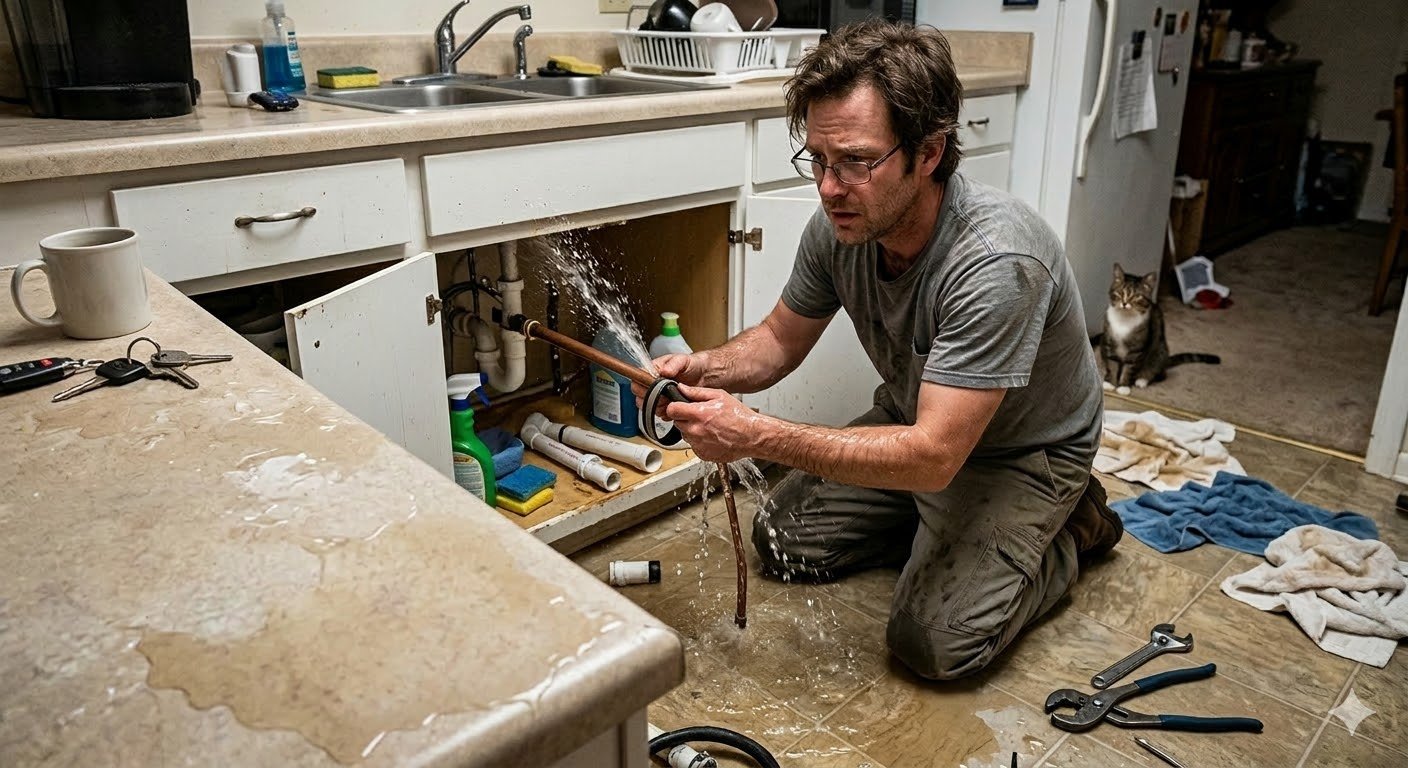
Let’s be honest—no one plans for a plumbing emergency.
It just… happens.
A pipe bursts in the middle of the night. The toilet overflows right before guests arrive. The kitchen sink refuses to drain when you’re already running late.
And in that moment, everything feels urgent. Water keeps flowing, stress starts building, and you’re left wondering—what do I do first?
This is where understanding emergency plumbing makes all the difference. Not in a technical way, but in a calm, practical, human way.
Not every plumbing issue needs immediate action—but some definitely do.
Here are situations where you shouldn’t wait:
Burst or leaking pipes
Overflowing toilets
No water supply
Blocked drains causing backup
Water heater failure (especially in winter)
If water is damaging your home or disrupting daily life, it’s an emergency plumbing situation.
When water starts going where it shouldn’t, panic is natural. But the first few minutes matter the most.
Find your main water valve and shut it off immediately.
This one step can prevent serious damage.
If water is near electrical outlets or appliances, turn off the power in that area.
Use towels, buckets, or anything available to stop water from spreading.
You don’t need perfect solutions—just quick action.
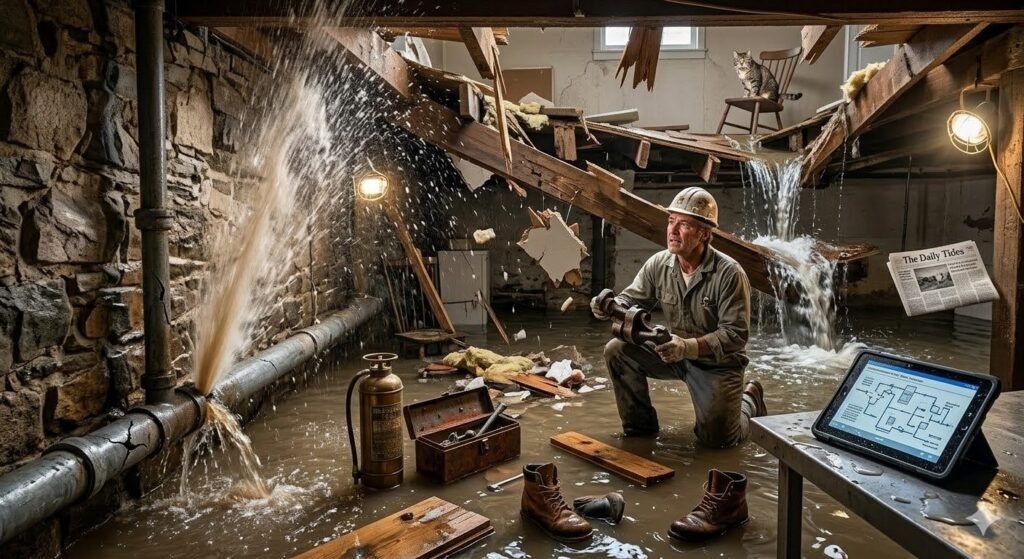
This is one of the worst situations.
Water leaks fast, walls get soaked, and damage spreads quickly.
What to do:
Shut off the main water supply
Move furniture away
Call a plumber immediately
It’s messy, stressful, and happens at the worst time.
Quick fix:
Turn off the toilet valve (usually behind it)
Avoid flushing again
Use a plunger if safe
If it doesn’t stop, it’s time for emergency plumbing help.
Water backing up in sinks or bathrooms is a warning sign.
What helps:
Try a plunger
Avoid chemical cleaners (they can damage pipes)
If multiple drains are blocked, it could be a bigger issue in the main line.
This can feel confusing more than urgent.
Check:
Is it just your home or the whole area?
Is the valve accidentally turned off?
If everything seems fine but water isn’t coming, call a professional.
Some problems can wait. Others can’t.
Call for emergency plumbing services if:
Water is continuously leaking
There’s risk of structural damage
You can’t control the situation
The problem keeps coming back
Trying to “wait it out” often makes things worse—and more expensive.
In an emergency, it’s easy to call the first number you see. But a little awareness helps.
Look for:
24/7 availability
Quick response time
Clear pricing (no hidden charges)
Good reviews or local reputation
A reliable plumber doesn’t just fix the issue—they reduce your stress.
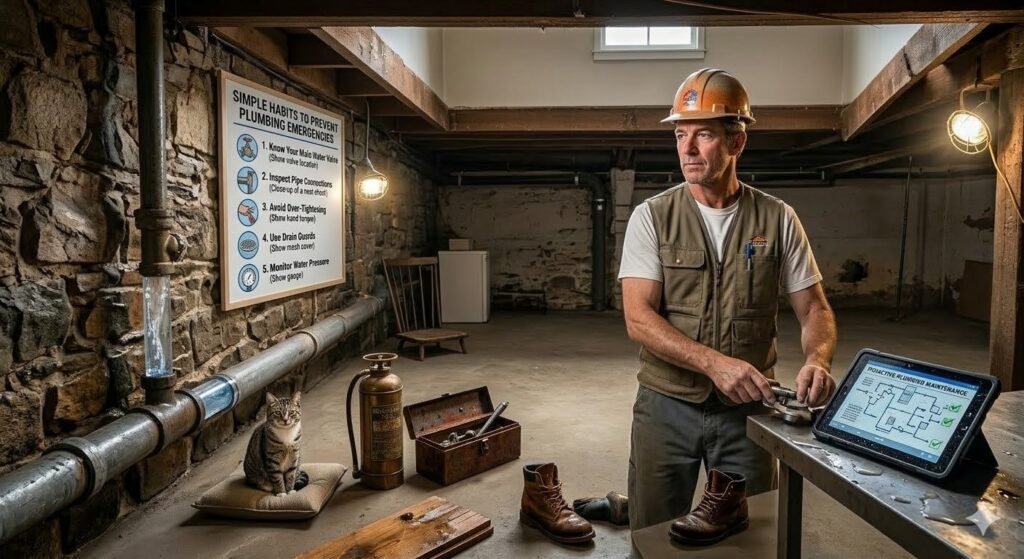
You can’t avoid everything—but you can reduce the chances.
Don’t pour oil or grease into sinks
Clean drains regularly
Fix small leaks early
Avoid flushing anything other than toilet paper
Get plumbing checked once in a while
These small habits go a long way in avoiding emergency plumbing situations.
Plumbing emergencies are never convenient.
They interrupt your routine, create stress, and sometimes cost more than expected.
But here’s the truth—handling them isn’t about knowing everything. It’s about staying calm and taking the right steps.
Remember:
Stop the water
Reduce the damage
Call for help when needed
That’s it.
Because when you know what to do, even an emergency feels a little more manageable.