Address
304 North Cardinal
St. Dorchester Center, MA 02124
Work Hours
Monday to Friday: 7AM - 7PM
Weekend: 10AM - 5PM
Address
304 North Cardinal
St. Dorchester Center, MA 02124
Work Hours
Monday to Friday: 7AM - 7PM
Weekend: 10AM - 5PM

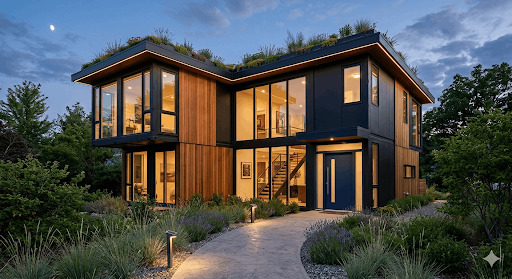
Container homes have exploded in popularity over the last few years, especially among people looking for affordable, modern, and sustainable housing. But as we move further into 2026, the real estate landscape is changing. With rising traditional construction costs and a massive shift towards minimalist living, the big question remains: Is a container home really worth it in 2026?
In this ultimate 2026 guide, we will dive deep into the world of shipping container architecture. We’ll break down the hidden costs, the structural reality, legal hurdles, and the actual lifestyle experience to help you decide if this “metal box” is your dream home or a potential nightmare.
A container home is a modular structure built using recycled or “one-trip” shipping containers, typically made of high-grade Corten steel. While they started as a DIY trend, in 2026, they have evolved into a sophisticated architectural movement.
These homes are modified, reinforced, and insulated to become high-end livable spaces. In 2026, we are seeing multi-story container mansions, off-grid eco-pods, and even container-based high-rise apartments in urban centers like New York, Mumbai, and London.
Yes — container homes are definitely worth it in 2026 if you prioritize speed, modern aesthetics, and a smaller carbon footprint. They are ideal for individuals looking for a budget-friendly entry into homeownership or a high-yield Airbnb investment.
However, they are not a “magic bullet.” If you live in an area with extreme weather or strict zoning laws, the cost of insulation and legal permits might bring the price very close to that of a traditional brick-and-mortar home.
In 2026, traditional home prices have hit record highs. Container homes offer a way out.
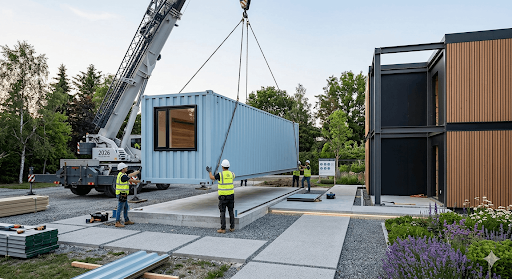
Time is money. A traditional house takes 6 to 12 months to build. A professionally designed container home can be ready in 4 to 10 weeks. In 2026, many companies offer “Plug-and-Play” models that are delivered fully finished with plumbing and electricity.
Every 40-foot container recycled into a home saves roughly 3,500 kg of steel. In an era where carbon credits and “Green Living” are essential, container homes are the ultimate statement in upcycling.
Corten steel is designed to withstand the harshest ocean environments. These boxes are fireproof, termite-proof, and can withstand hurricane-force winds if anchored correctly. Plus, if you design it as a modular unit, you can literally take your house with you if you move cities.
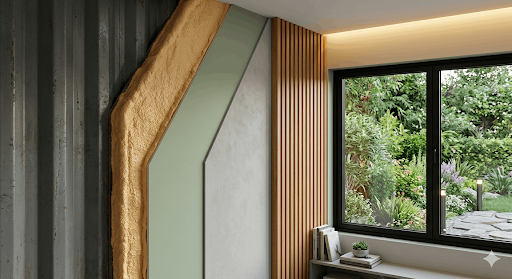
A steel box is essentially an oven in the summer and a freezer in the winter. In 2026, high-quality Closed-Cell Spray Foam insulation is mandatory. If you skip this, your electricity bills for AC and heating will be astronomical.
This is where most projects fail. Many residential zones do not allow “temporary structures” or steel buildings.
A standard container is only 8 feet wide. Once you add insulation and drywall, you are left with about 7 feet of interior width. This can feel claustrophobic for families. In 2026, smart designers are “joining” two or three containers side-by-side to solve this.
Cutting steel requires specialized labor. Every time you cut a hole for a window or door, the structure weakens and needs reinforcement with steel beams.
| Feature | USA Estimated Cost ($) | India Estimated Cost (₹) |
| Used 40ft Container Shell | $3,500 – $6,500 | ₹2.5 Lakh – ₹4.5 Lakh |
| Professional Insulation | $4,000 – $8,000 | ₹1.5 Lakh – ₹3.5 Lakh |
| Interior Finishing & Flooring | $10,000 – $25,000 | ₹3 Lakh – ₹8 Lakh |
| Plumbing & Electrical | $5,000 – $12,000 | ₹1.5 Lakh – ₹4 Lakh |
| Foundation & Delivery | $5,000 – $15,000 | ₹2 Lakh – ₹5 Lakh |
| TOTAL STARTING PRICE | $27,500 – $66,500 | ₹10.5 Lakh – ₹25 Lakh |
| Feature | Container Home | Traditional Home |
| Construction Speed | Ultra-Fast (Weeks) | Slow (Months) |
| Initial Cost | Low to Moderate | High |
| Resale Value | Lower/Depreciating | Higher/Appreciating |
| Durability | High (Steel) | Very High (Masonry) |
| Eco-Impact | Low (Recycled) | High (New Materials) |
Most blogs tell you they are cheap, but the Reality Check for 2026 is this:
Q1. Do container homes rust?
Ans: Yes, they are steel. However, using high-quality marine-grade paint and regular maintenance can prevent rust for 25-30 years.
Q2. Are they safe during lightning storms?
Ans: Yes! They act as a “Faraday Cage.” If the container is properly grounded, the electricity will flow through the steel skin into the ground, keeping you safe inside.
Q3. Can I stack container homes to make 3 floors?
Ans: Absolutely. They are designed to be stacked up to 9 units high on ships. However, you will need a structural engineer to approve the foundation and welding.
Q4. Is it possible to go 100% Off-Grid?
Ans: Container homes are perfect for off-grid living. Their flat roofs are ideal for solar panel installation, and their compact size makes them easy to heat/cool with solar power.
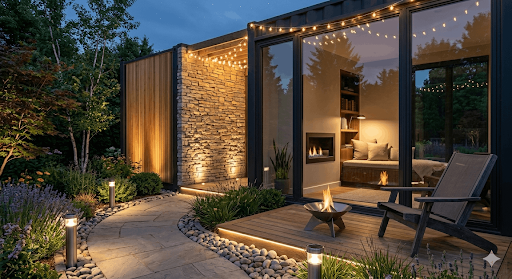
In 2026, a container home is worth it if you are a minimalist, an eco-warrior, or a smart investor looking for a unique rental property. They offer a lifestyle of freedom and modern industrial beauty that traditional homes simply cannot match.
