Address
304 North Cardinal
St. Dorchester Center, MA 02124
Work Hours
Monday to Friday: 7AM - 7PM
Weekend: 10AM - 5PM
Address
304 North Cardinal
St. Dorchester Center, MA 02124
Work Hours
Monday to Friday: 7AM - 7PM
Weekend: 10AM - 5PM
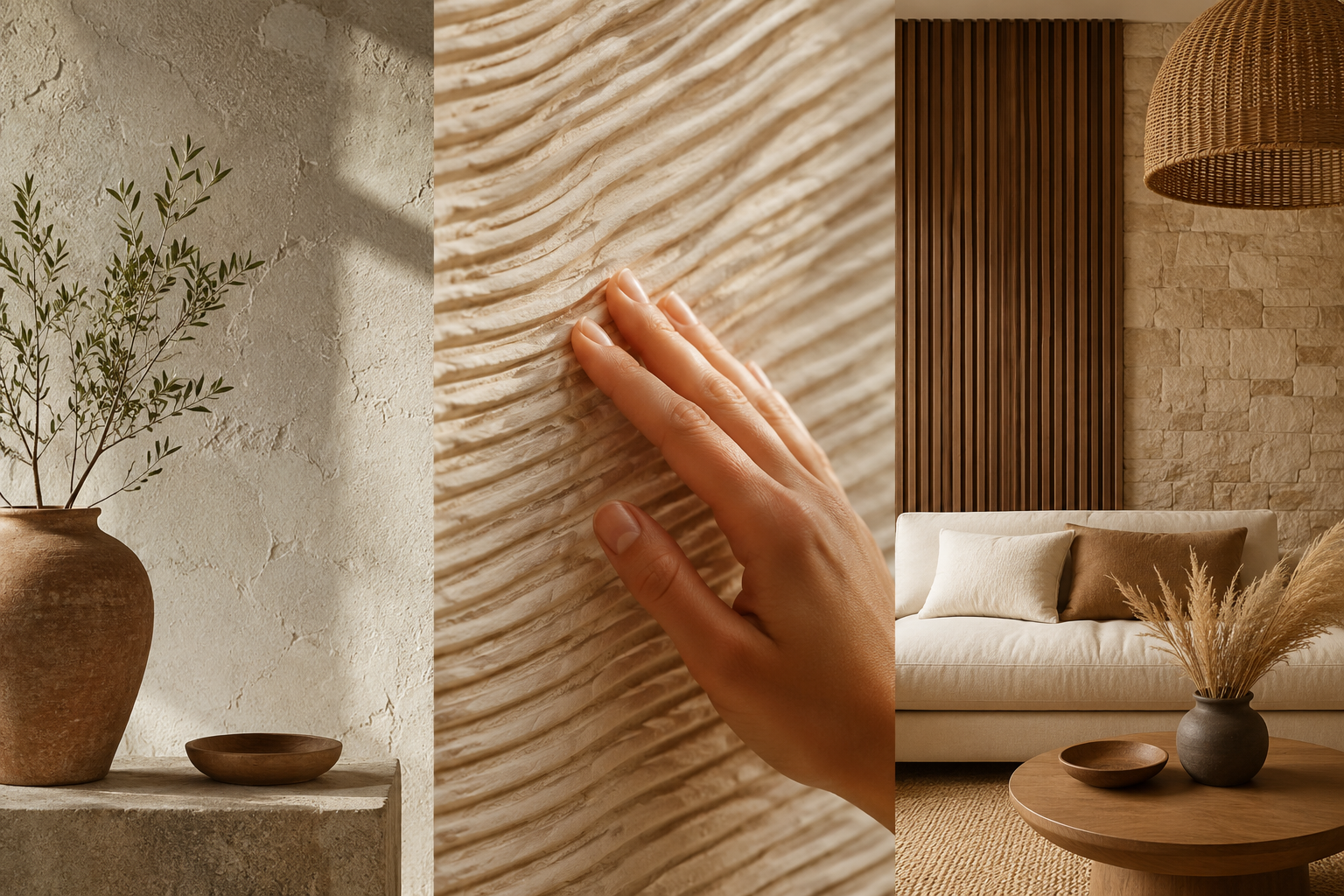
For years, luxury home design was defined by glossy marble floors, shiny surfaces, and perfectly polished interiors. But in 2026, homeowners are moving in a different direction. Instead of focusing on sparkle and perfection, designers are embracing texture to create spaces that feel warm, natural, and inviting.
From textured walls and handcrafted finishes to natural stone flooring and woven décor, texture has become one of the biggest trends in modern interior design. It adds character, depth, and personality to a home without relying on excessive decoration.
In this guide, we’ll explore why textured interiors are becoming so popular and how you can use this trend to transform your living space.
Texture refers to the surface quality of materials and how they look or feel. Some textures are physical, such as rough stone, natural wood grain, or woven fabrics. Others are visual, creating the appearance of depth even when the surface is smooth.
When used correctly, texture makes a room feel more dynamic and comfortable. It prevents spaces from looking flat and adds a layer of sophistication that paint colors alone cannot achieve.
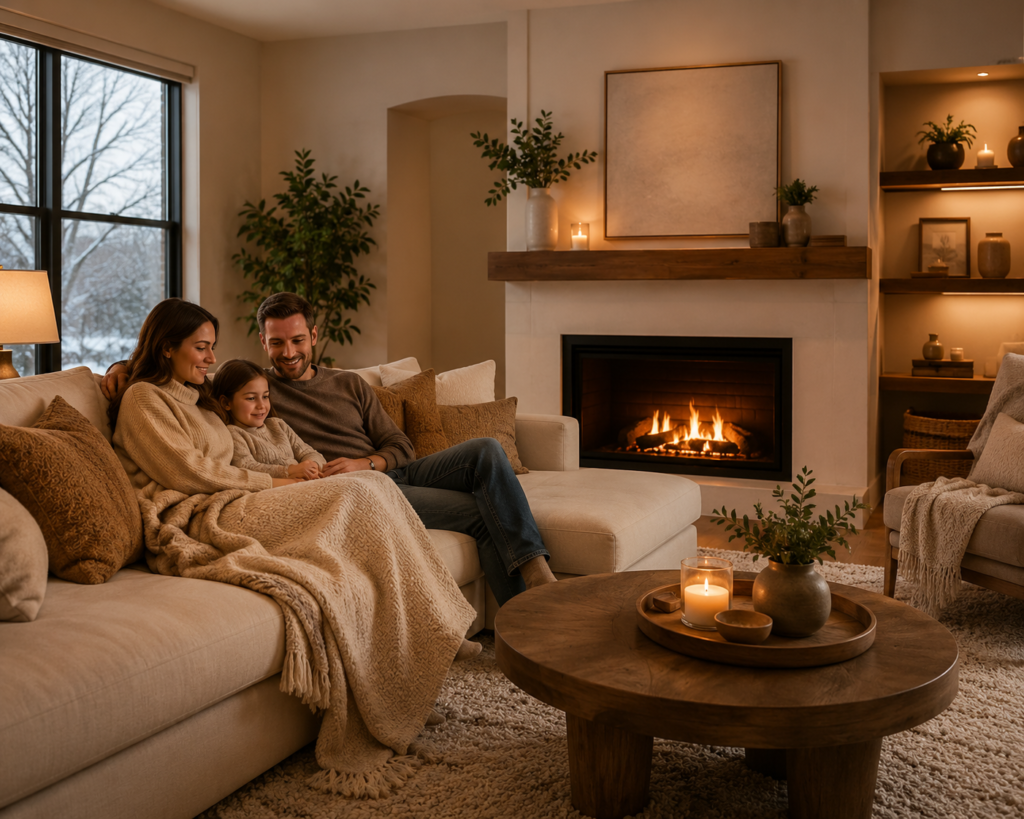
Minimalist interiors dominated design trends for many years. While clean lines and simplicity remain popular, many homeowners now want spaces that feel cozy and lived-in.
Textured materials such as linen, wood, plaster, and natural stone create warmth and softness that modern homeowners crave. These materials help make a room feel welcoming while maintaining a clean and elegant appearance.
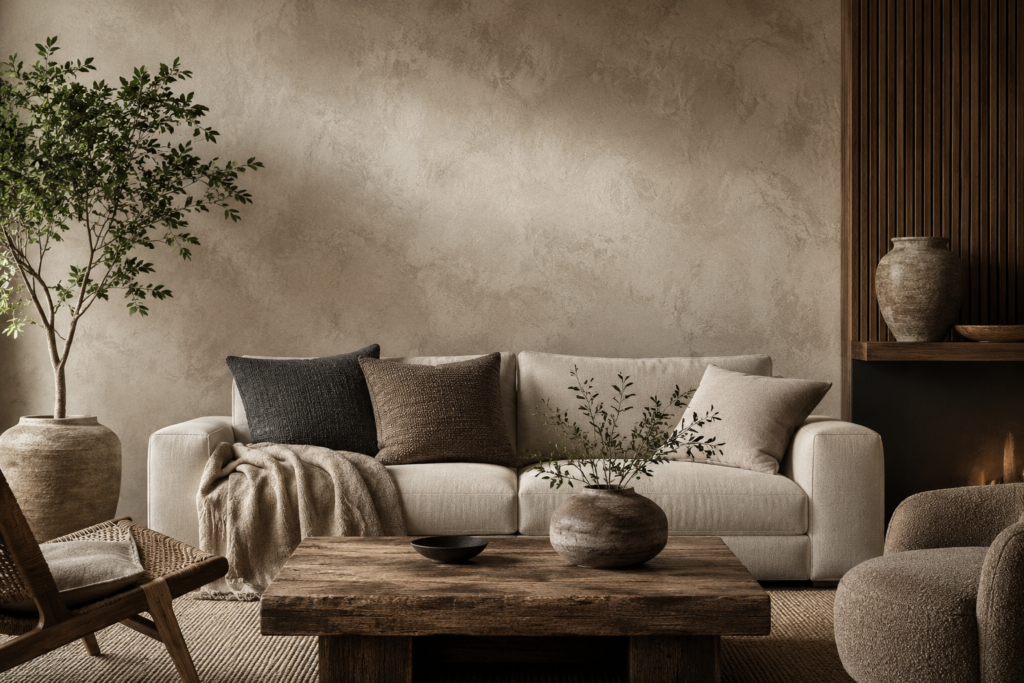
One of the biggest advantages of texture is its ability to create visual interest without adding more furniture or decorative items.
A textured plaster wall, fluted wood panel, or natural stone feature can become the focal point of a room without overwhelming the space. This makes texture perfect for modern and minimalist homes.
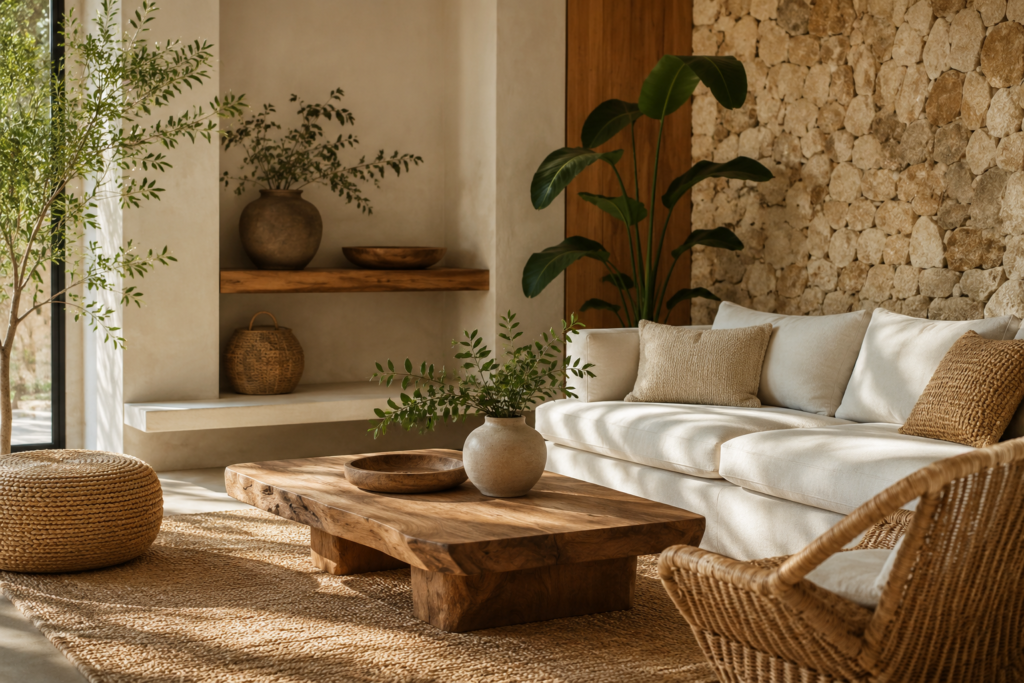
Sustainability continues to influence home design trends. As homeowners become more environmentally conscious, natural materials are replacing synthetic alternatives.
Popular textured materials include:
These materials not only look beautiful but also bring a sense of authenticity to interior spaces.
Textured walls are quickly replacing traditional accent walls.
Some of the most popular wall finishes include:
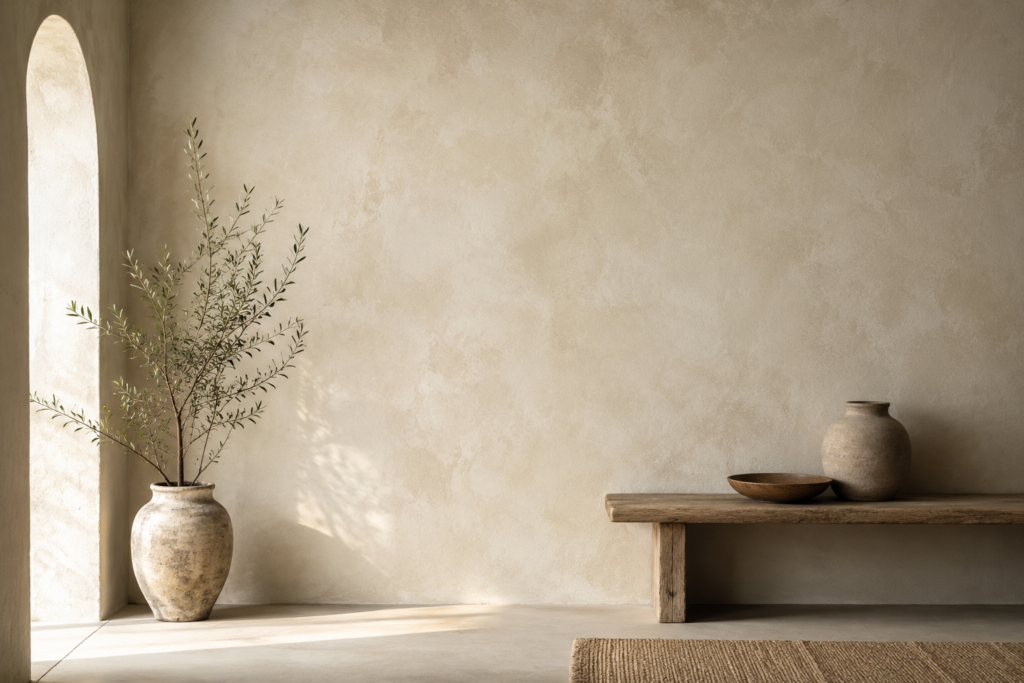
Limewash creates a soft, cloud-like appearance that adds subtle depth and movement. It works especially well in bedrooms and living rooms.
Venetian plaster provides a luxurious finish with a handcrafted appearance. It is commonly used in high-end homes and boutique hotels.
Vertical fluted panels create architectural interest while adding texture and dimension to modern interiors.
Microcement offers a sleek yet textured appearance, making it ideal for contemporary homes and bathrooms.
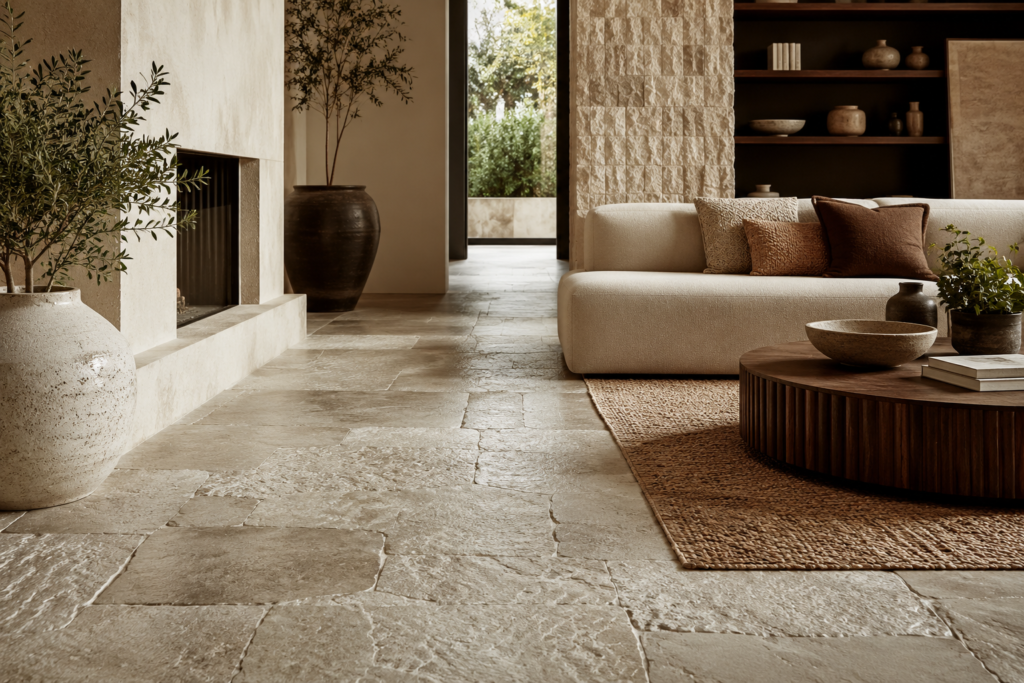
Flooring is no longer viewed as just a practical surface. Designers are increasingly using textured flooring materials to create character and depth.
Popular flooring options include:
These materials create a rich visual experience while remaining durable and timeless.
Interior designers often refer to ceilings as the “fifth wall.” In 2026, homeowners are paying more attention to ceiling design than ever before.
Trending textured ceiling ideas include:
A textured ceiling can instantly elevate a room and make it feel more luxurious.
Texture is no longer limited to interior spaces. Modern architecture is increasingly using textured surfaces to enhance curb appeal.
Popular exterior texture trends include:
Fluted concrete creates dramatic shadows and gives buildings a contemporary look.
Stone facades provide timeless beauty and increase the visual value of a property.
Wooden exterior panels add warmth while creating a strong connection with nature.
Architectural screens offer texture, privacy, and dynamic light patterns throughout the day.
If you’re not planning a major renovation, there are simple ways to introduce texture into your home:
Even small changes can significantly improve the overall look and feel of a room.
The growing popularity of texture reflects a larger shift in how people view their homes. Instead of creating perfect showroom spaces, homeowners want interiors that feel personal, comfortable, and connected to nature.
Texture helps achieve this balance by adding warmth, authenticity, and visual depth. Whether through handcrafted walls, natural materials, or architectural details, textured interiors are redefining modern luxury in 2026.
Texture has become one of the most influential home design trends because it transforms ordinary spaces into inviting and memorable environments. As homeowners continue to prioritize comfort, sustainability, and individuality, textured interiors are expected to remain a defining feature of modern homes for years to come.
If you’re planning a home makeover in 2026, incorporating texture may be one of the smartest design decisions you can make.